
Tennis Cash Out Betting: When to Lock In Profits or Cut Losses
 Available in US
html
The cash-out button is the most psychologically dangerous feature in modern sports betting, and tennis is the sport where it costs people the most money. I know this because I tracked every cash-out decision I made during 2021 and discovered that in 62% of cases, I would have been better off letting the bet run. The cash-out feature is designed to feel like control, but most of the time it is the bookmaker buying back your position at a discount — a discount you accept because anxiety is a more powerful motivator than probability.
That said, there are specific situations in tennis where cashing out is the analytically correct decision. The skill is learning to distinguish those situations from the ones where the cash-out impulse is just nerves in disguise.
Contents
How Cash Out Works in Tennis Markets
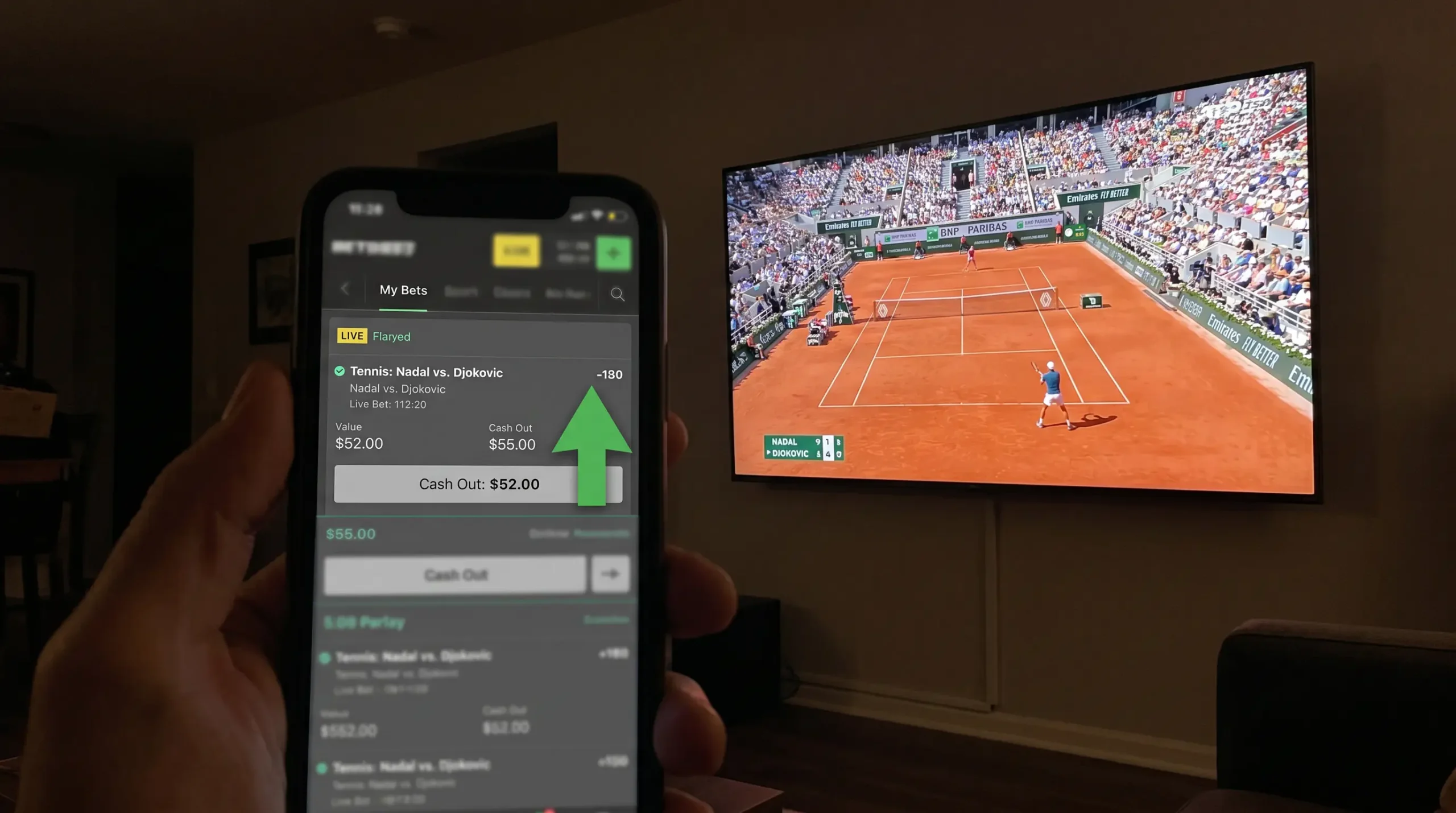
Cash out is a standing offer from the bookmaker to settle your bet early at a price that reflects the current match situation. If you backed a player at 2.50 pre-match and she is now leading 6-3, 4-2, the cash-out value might be £18 on a £10 bet — less than the full £25 return if she wins, but available immediately without waiting for the match to finish.
The bookmaker calculates the cash-out price using the same model that generates live odds, but with an added margin. That margin is the bookmaker’s profit on the transaction — they are essentially trading your position at a price that favours them. The margin varies by operator and by match situation, but it is typically 5-15% worse than the theoretical fair value of your bet at that moment.
Ninety percent of tennis bets are placed in-play, which means cash out is available for the vast majority of tennis bets. The feature updates continuously during the match — the cash-out value rises as your player moves toward victory and falls as they lose ground. On most UK platforms, you can see the cash-out value change in real time on your bet slip, which creates a constant visual temptation to act. That temptation is by design.
Partial vs Full Cash Out: Decision Framework
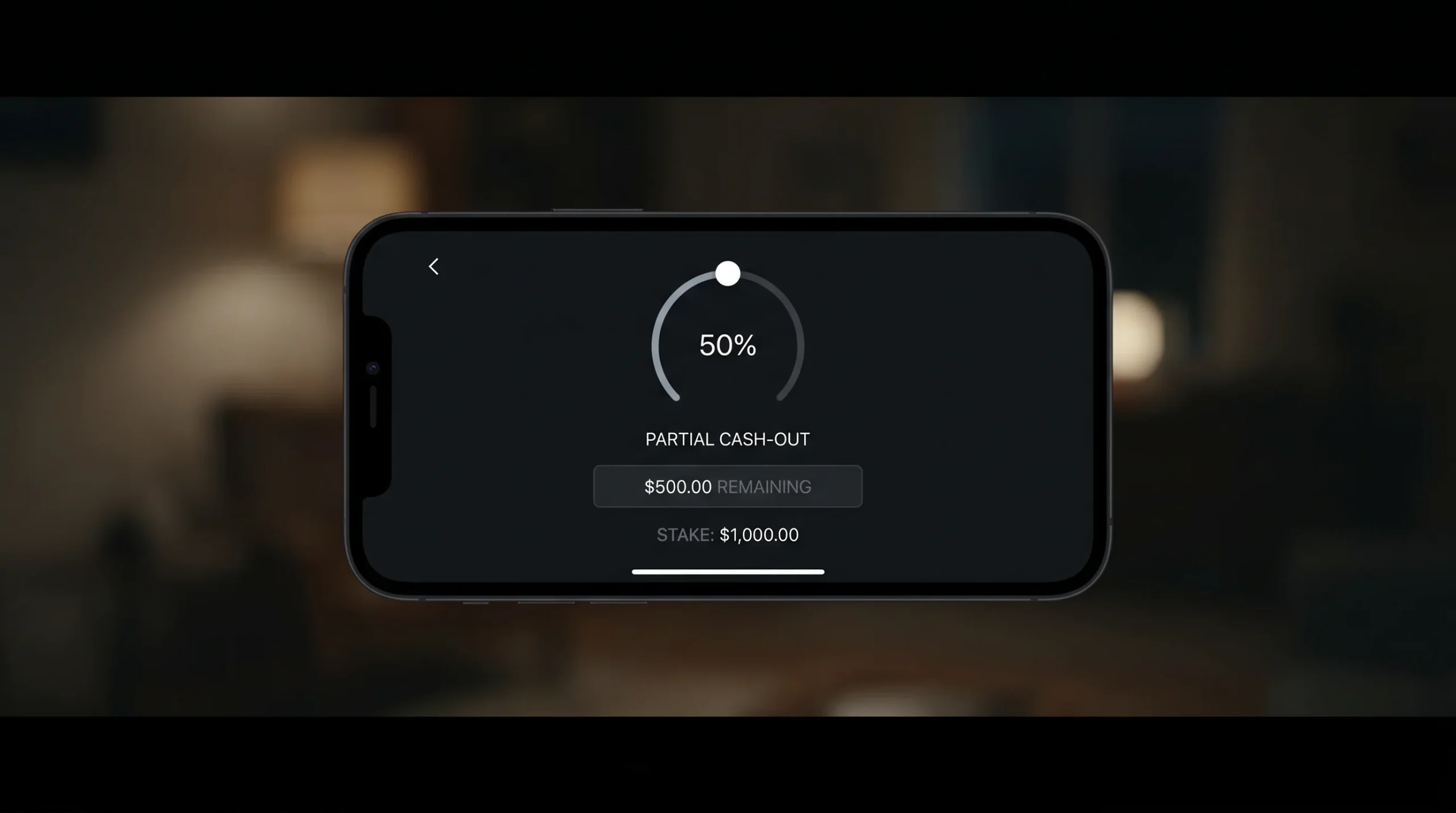
Full cash out closes your entire position. Partial cash out lets you cash out a percentage — say 50% — while leaving the remainder active. Partial cash out is the more useful tool in tennis because it lets you reduce risk without abandoning your position entirely.
My framework for deciding between partial and full cash out is built on one question: has the reason I placed this bet changed? If I backed a player because of her serve dominance on this surface, and she is now serving at 58% first-serve efficiency instead of her usual 70%, the analytical basis for my bet has deteriorated. That is a reason to consider full cash out. If she is serving well but lost the first set in a tie-break, the original thesis is intact and the match is simply following a possible path within my expected range. That is not a reason to cash out — it is a reason to hold.
Partial cash out works best in scenarios where the risk profile has changed but the expected value has not. Example: you backed a player at 3.00 to win the match, she wins the first set 6-3, and the cash-out value is now £22 on a £10 bet. The expected value of holding might still be positive, but your risk has shifted from “can she win the match?” to “can she close it out?” If your analysis says yes but your confidence is only 65%, cashing out 40-50% of the position locks in some profit while keeping upside exposure.
Momentum Shifts and the Cash-Out Decision
Tennis is the second most popular sport for in-play betting in the UK, behind football. The reason is momentum: tennis produces dramatic swings that change the odds rapidly, and those swings are where the cash-out decision becomes most pressured and most consequential.
A break of serve in the second set can swing the cash-out value by 20-30% in minutes. If your player just got broken, the cash-out offer drops. If you cash out at the low point, you are crystallising a loss that might reverse if the player breaks back immediately. But if the player does not break back and loses the set, the cash-out value drops further, and the option you declined at the first break now looks generous.
The pattern I have learned to recognise after years of live tennis betting: do not cash out immediately after a momentum shift against you. Wait for the next service game. If your player holds serve after being broken, the psychological damage is limited and the match is still competitive. If they get broken again, the momentum shift is confirmed and cashing out is justified. Reacting to the first swing is emotional; reacting to the second is analytical.

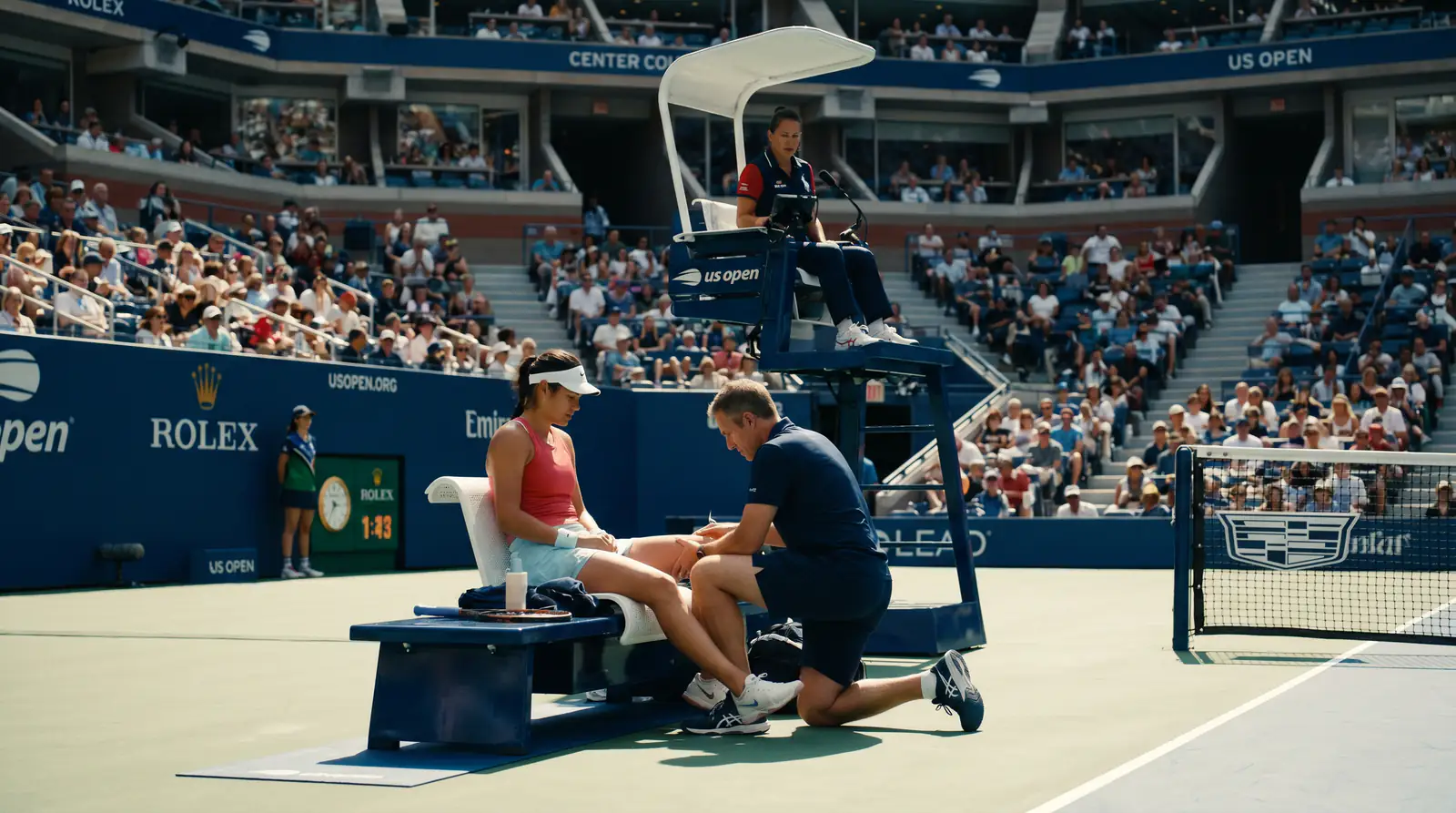
The exception is when the momentum shift reveals new information. If your player takes a medical timeout, starts limping, or loses three straight games to love, the cash-out decision is no longer about momentum — it is about whether the player can physically complete the match. Physical deterioration does not reverse itself in tennis. Cash out immediately when the body breaks down, regardless of the odds.
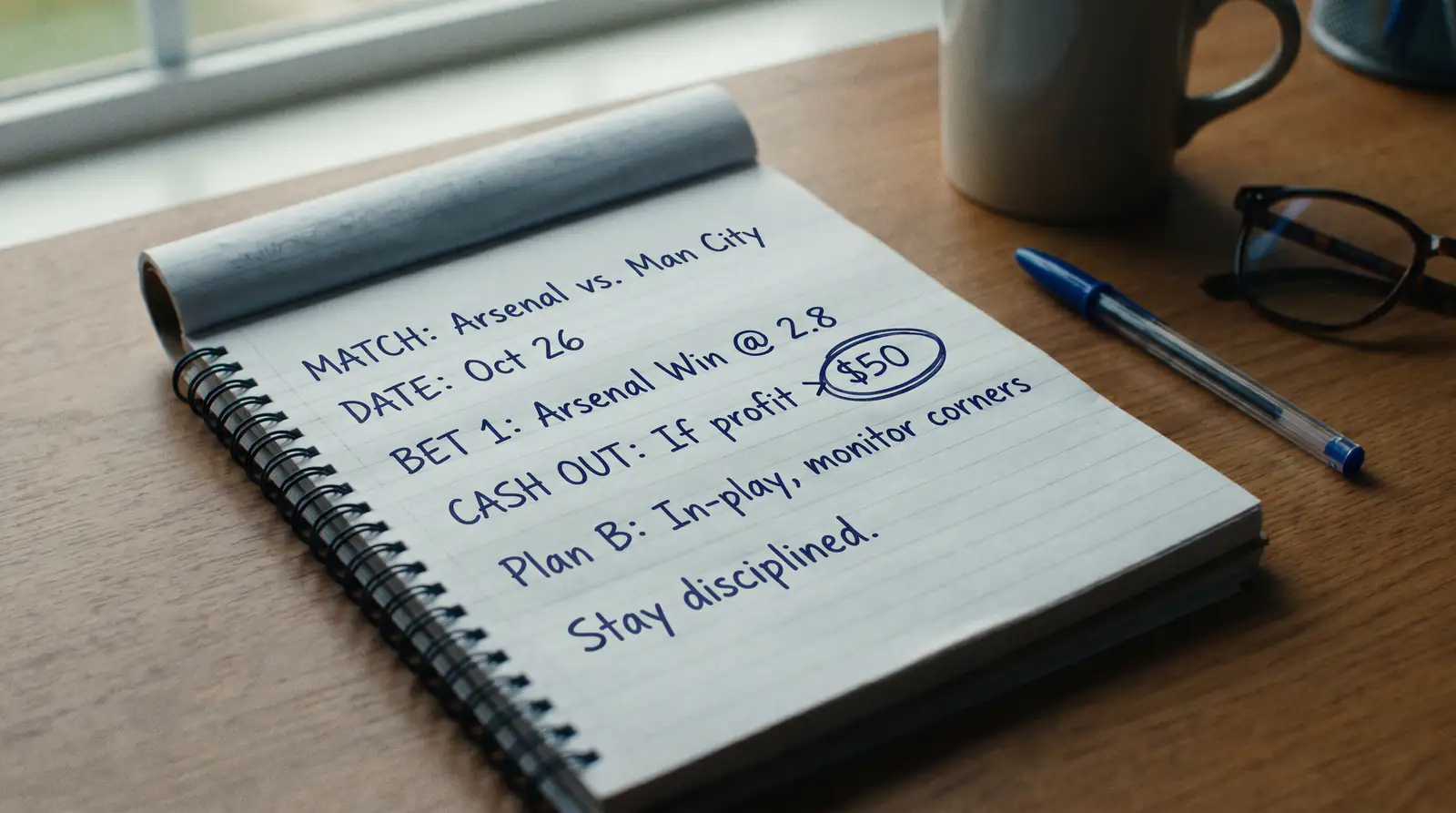
One practical rule that connects cash-out discipline to broader live tennis betting strategy: set a cash-out threshold before the match starts. Decide in advance: “I will cash out if the value reaches 2x my stake, regardless of the match situation.” That pre-commitment removes the in-match emotional interference and converts the cash-out decision from a judgement call into a mechanical rule. I do not always follow my own threshold — human nature is difficult to override — but having it reduces my worst cash-out decisions by roughly half.
Articles
Created by the "bettennisonline.com" editorial team.
