
French Open Betting: Why Roland-Garros Draws More Wagers Than Wimbledon
 Available in US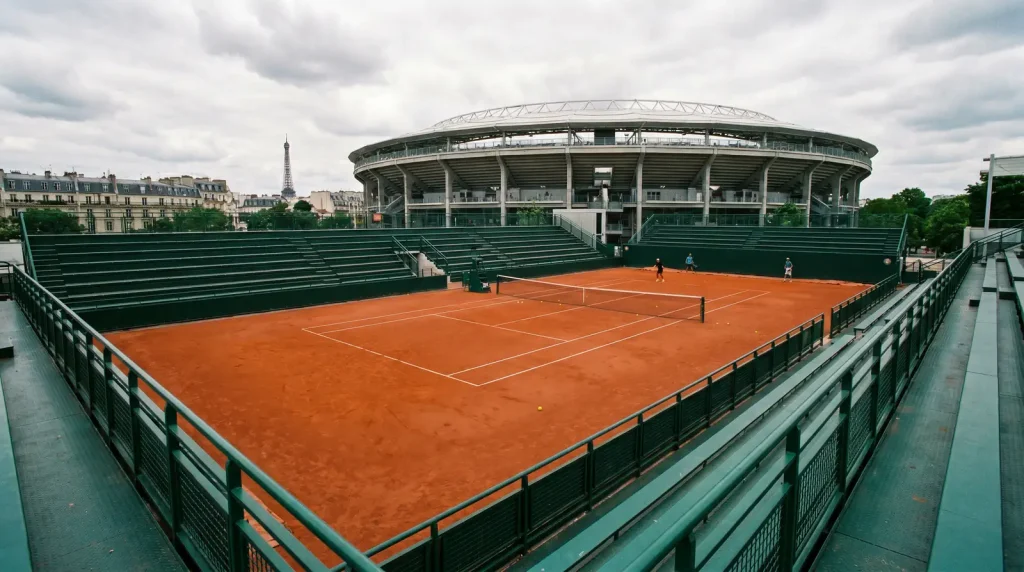
html
When I tell people that more money is wagered on the French Open than on Wimbledon, they almost always push back. Wimbledon is the bigger brand, the more prestigious event, the one everyone watches. And they are right about all of that — except the betting volume. Roland-Garros consistently generates more wagering activity, and the reason is baked into the clay itself.
The explanation is structural, not cultural. Clay-court matches last longer, produce more scoring events per match, and create more in-play betting opportunities than any other surface. When 90% of tennis bets are placed live, the surface that generates the most live-betting moments will generate the most bets. That surface is clay, and the biggest clay event is the French Open.
Contents
Match Length, Clay and the Volume Advantage Over Wimbledon
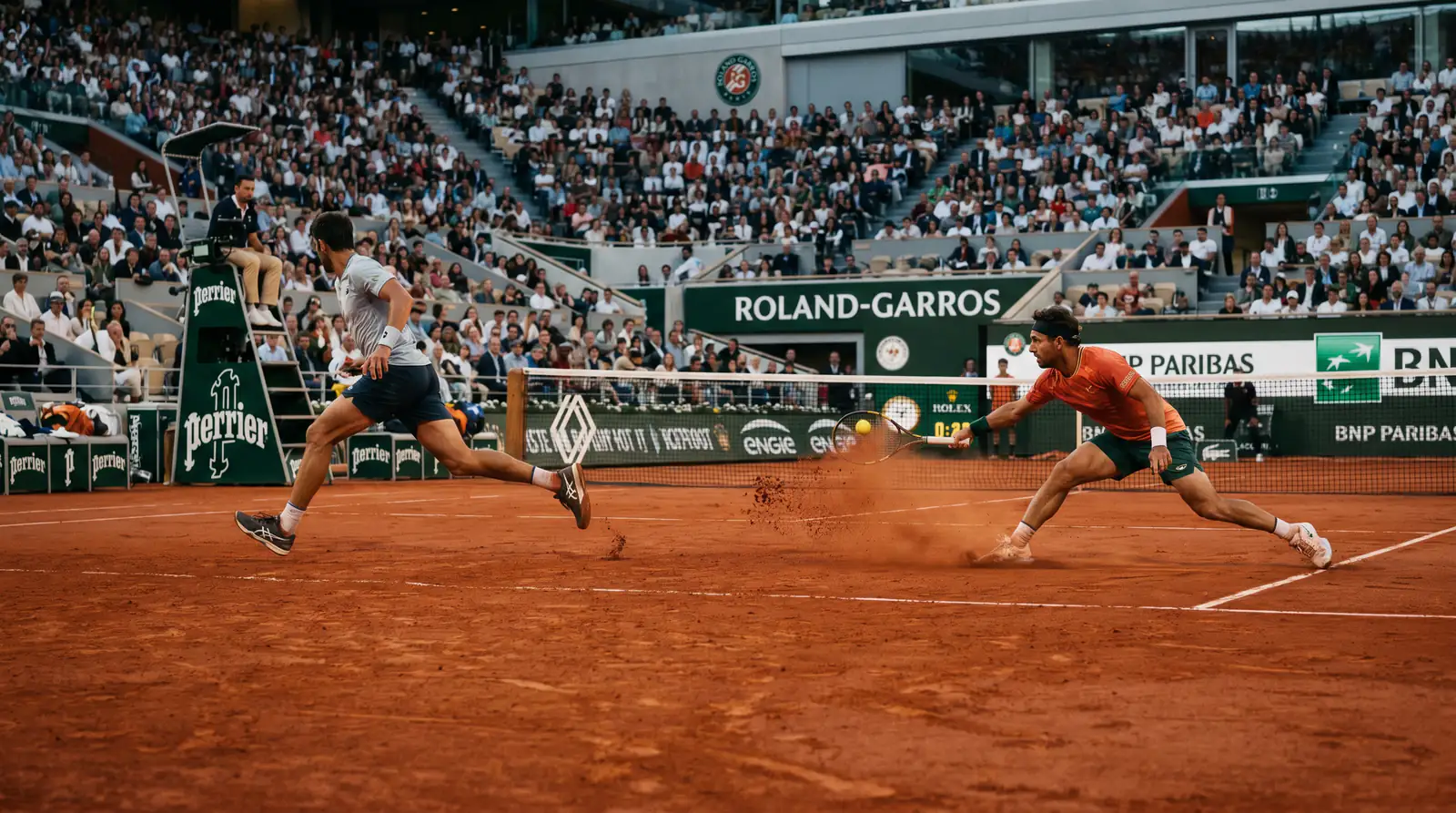
According to Entain’s trend data, the US Open leads Grand Slam betting volume overall, but the French Open outpaces Wimbledon for a specific, measurable reason: match duration. Clay-court rallies are longer because the surface absorbs pace and the ball sits up, giving the returner time to construct points. Longer rallies mean longer games, longer sets, and longer matches. A five-set clay-court match can last four or five hours; a five-set grass-court match is often done in under three.
Every additional hour of match time is an additional hour of in-play betting opportunity. Points are being scored, momentum is shifting, odds are moving. For a bookmaker, that extended window translates directly into higher turnover. For a bettor, it means more decision points — more moments where you can enter, exit, or adjust a position.
The upset rate on clay amplifies this further. Clay tournaments produce approximately 15% more upsets than grass events. Upsets extend matches (a straight-sets favourite win is two sets; an upset often goes to three or five), and longer matches drive more in-play volume. It is a self-reinforcing cycle: upsets make matches longer, longer matches create more betting moments, and more betting moments attract more money. Roland-Garros sits at the centre of that cycle because it is the tournament where clay-court dynamics are most extreme and most visible.
The Clay-Specialist Factor: Dominance, Upsets and Market Distortion
Every surface has its specialists, but clay specialists distort the market more than any other group. A player ranked 40th in the world who has spent their career primarily on South American and European clay can arrive at Roland-Garros with a surface-specific win rate that outperforms players ranked 20 places above them. The market knows this in the abstract but often misprices it in the specific.
First-serve efficiency on clay runs at 62.4% — the lowest of any surface. That statistic alone tells you that the server’s advantage is weaker on clay, which means breaks of serve happen more often, which means underdogs have more pathways to take a set or even the match. The specialists exploit this by turning every service game into a battle, extending rallies, dragging the match into the physical territory where their clay-court conditioning gives them an edge.
Where the market distortion appears is in the gap between ranking-based odds and surface-specific odds. A world number 35 who is essentially a top-15 player on clay will be priced off the 35 ranking in early rounds, especially against opponents whose clay-court record is weaker than their overall ranking suggests. I look for these mismatches systematically at Roland-Garros: the player whose surface form does not match their headline ranking.
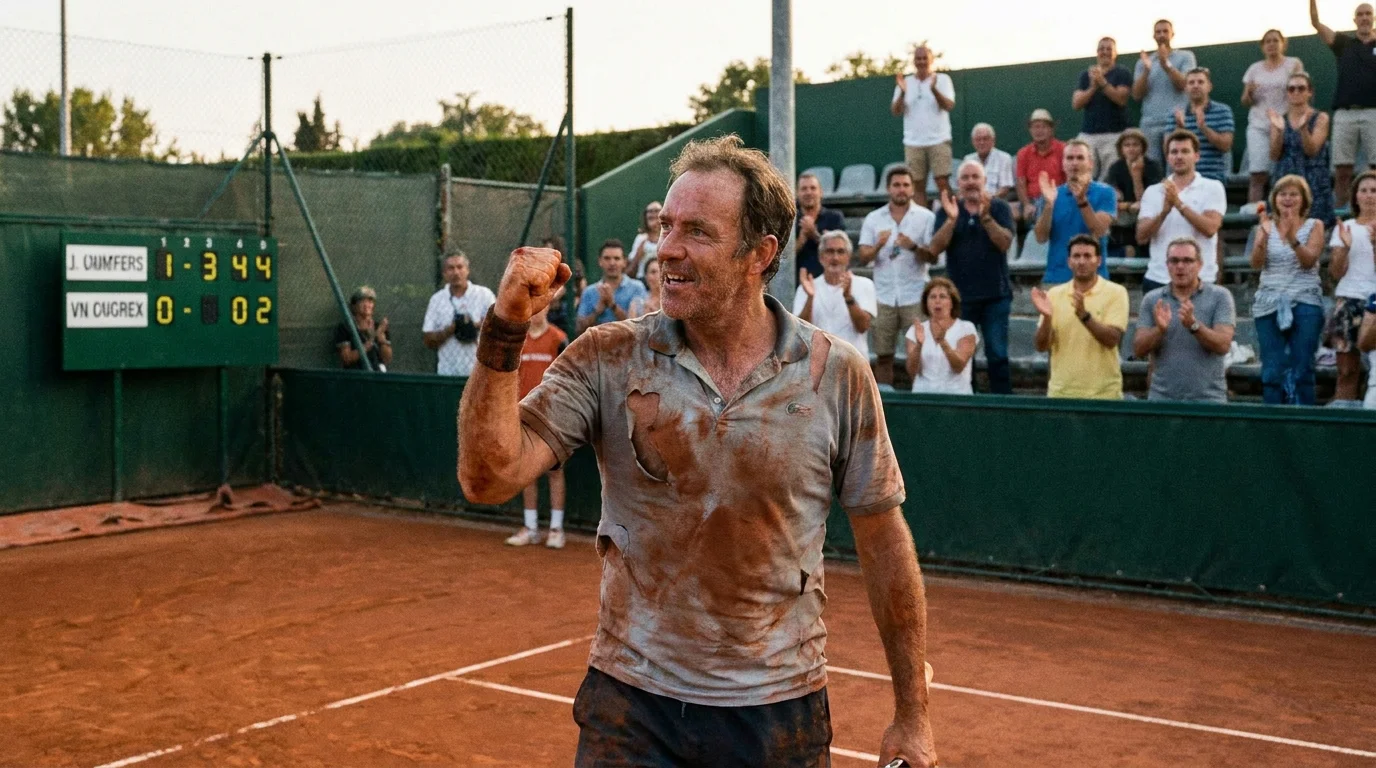
The flip side is that clay specialists often represent poor value in later rounds, when they face opponents of similar quality who are also comfortable on the surface. The value window for clay specialists is early rounds through the quarter-finals; beyond that, the prices are usually efficient because the market has had time to adjust. A useful framework for connecting clay-court dynamics to specific betting tactics sits in the dedicated clay court betting analysis.
Roland-Garros-Specific Angles: Scheduling, Night Sessions and Weather
Roland-Garros introduced night sessions under lights on Court Philippe-Chatrier in 2021, and the addition changed the betting dynamics. Night-session matches play under cooler conditions with heavier air, which slows the ball further and extends rallies even beyond the daytime norm. The effect is measurable: night-session matches at Roland-Garros tend to produce more games per set than day-session matches on the same court.
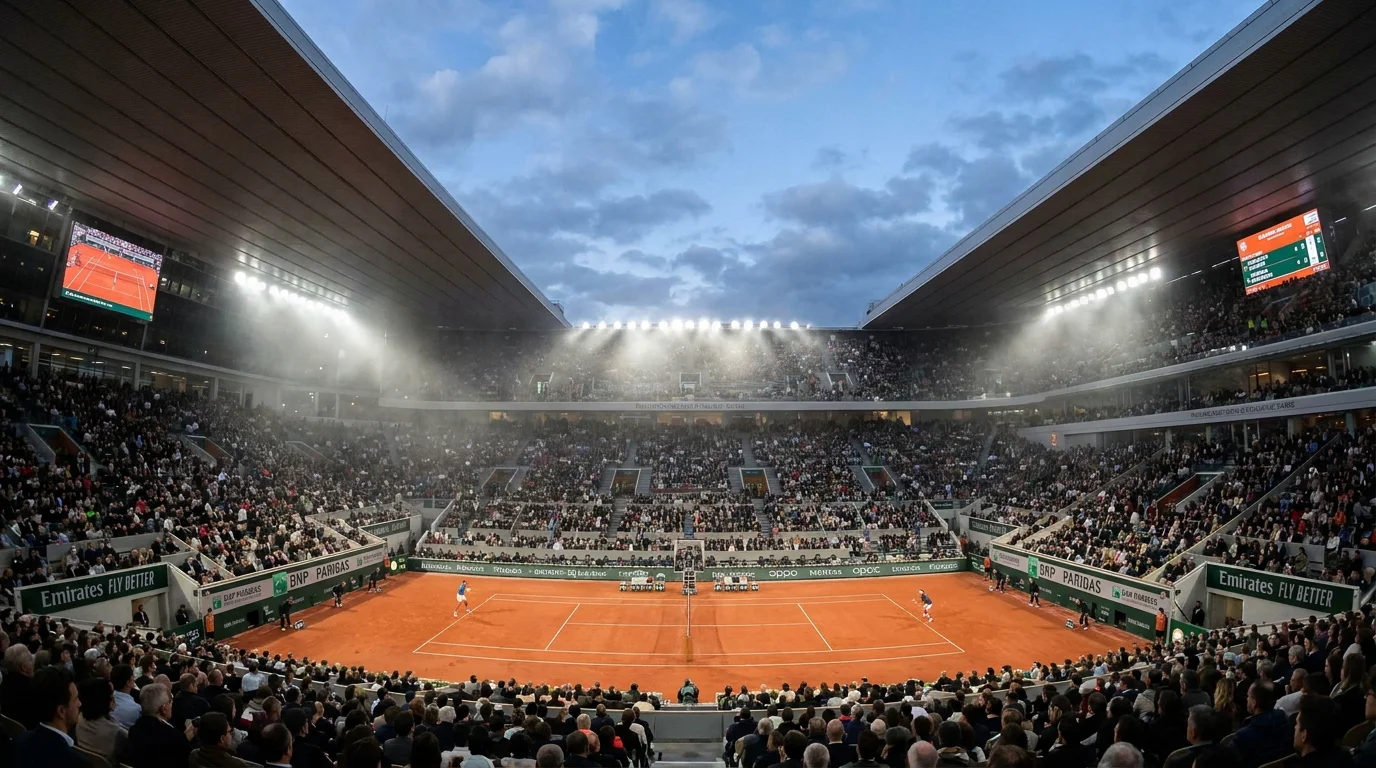
For totals betting, this is directly actionable. If a match is scheduled for the night session, adjusting your expected total upward by 1-2 games is a reasonable starting point. The market sometimes accounts for this, sometimes does not — it depends on how prominently the night-session scheduling is flagged in the lead-up to the match.
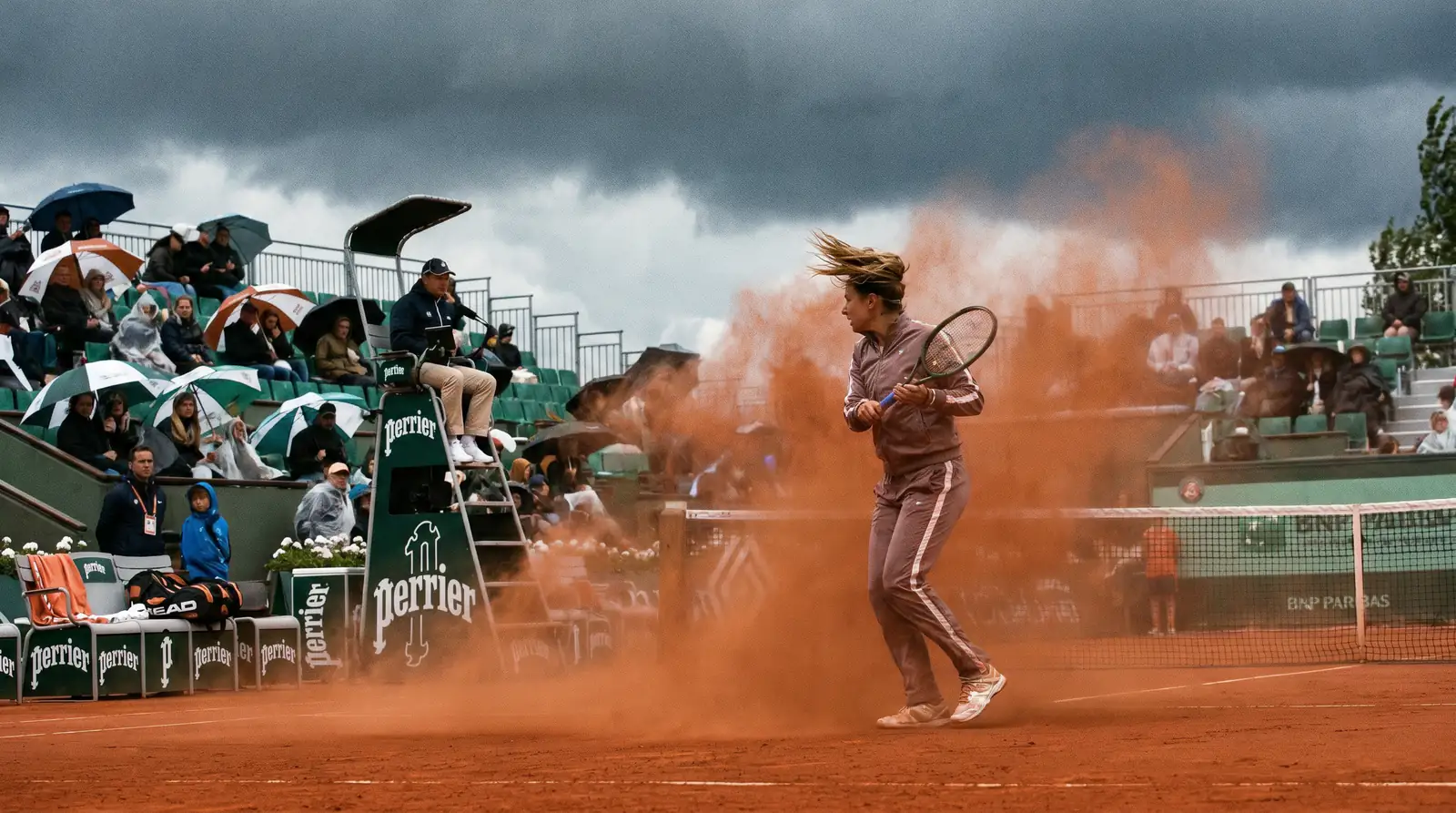
Rain delays are a Roland-Garros tradition that affect betting in ways most people underestimate. A rain delay mid-set disrupts the rhythm of the player who was on top and gives the trailing player time to recover physically and mentally. Historically, the player leading at the time of a rain delay loses their momentum advantage more often than not. I do not bet through rain delays unless I have a specific view on how the interruption affects each player — and forming that view requires knowing their track records in stop-start conditions, which is a level of detail most bettors do not track.

Wind at Roland-Garros is the other underappreciated variable. The stadium’s open design makes it more exposed to wind than the enclosed courts at Melbourne Park or the roofed arenas at Wimbledon. Wind disrupts serve timing, reduces first-serve percentages, and pushes matches toward the returner’s advantage — which on clay, where the returner already has a structural edge, can tip close matches decisively. Checking the Paris weather forecast before finalising your Roland-Garros betting positions is a habit that pays for itself across a fortnight.
Articles
Published by the bettennisonline.com team.
