
Clay Court Tennis Betting: Surface Data That Shifts the Odds
 Available in US
html
Clay is the surface that makes good bettors and breaks lazy ones. I spent the first three years of my career treating clay the same as hard court — running the same models, applying the same assumptions — and my clay-court record was terrible. The turnaround came when I started building a separate analytical framework for clay, treating it as an entirely different sport in terms of match dynamics. That framework has been the most profitable single change I have made in eleven years of tennis betting.
The data explains why. Clay slows the ball, increases rally length, reduces serve dominance, and produces more breaks of serve per match than any other surface. Every one of those characteristics changes how matches play out, how odds should be priced, and where the market makes systematic errors.
Contents
Statistical Profile of Clay-Court Tennis
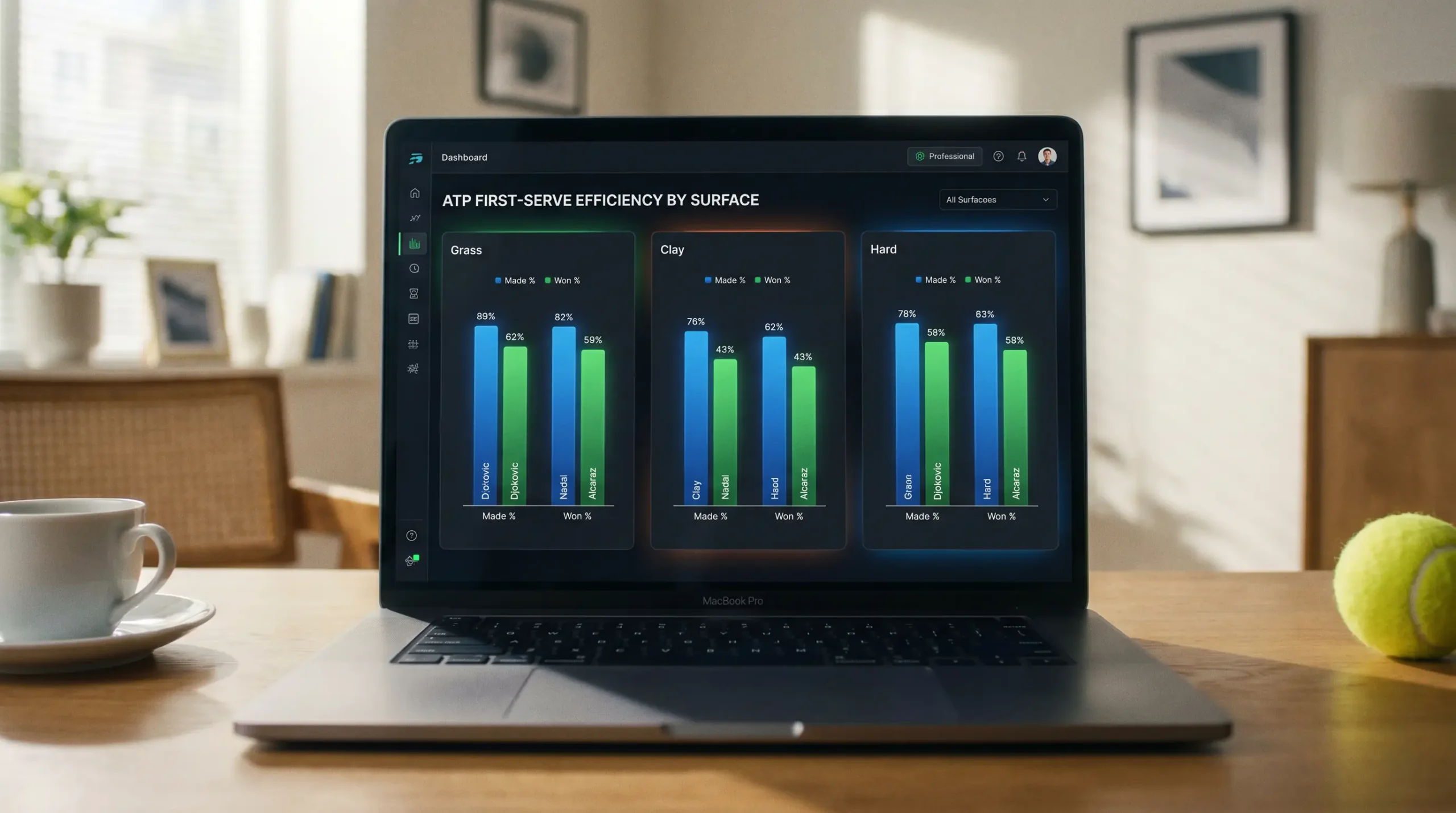
First-serve efficiency on clay runs at 62.4% — compared to 64.2% on grass and 67.5% on hard courts. That 5.1 percentage-point gap between clay and hard court might look small, but it cascades through the entire match structure. A lower first-serve efficiency means more second serves. More second serves mean more opportunities for the returner to attack. More return attacks mean more breaks of serve. More breaks mean more competitive sets, more sets going to deciding games, and more matches extending to a third or fifth set.
Clay-court tournaments produce approximately 15% more upsets than grass events. That number is not a curiosity — it is a fundamental input for pricing tennis bets on clay. If the baseline upset rate on hard courts is, say, 20% for a given ranking differential, the clay adjustment pushes it toward 25% or higher. Bookmakers account for this in their models, but my experience is that they underadjust in early rounds and overadjust in later rounds. Early-round clay-court favourites are sometimes priced as if the surface difference is smaller than it actually is; by the quarter-finals, the market has overcorrected and the remaining favourites are slightly underpriced.
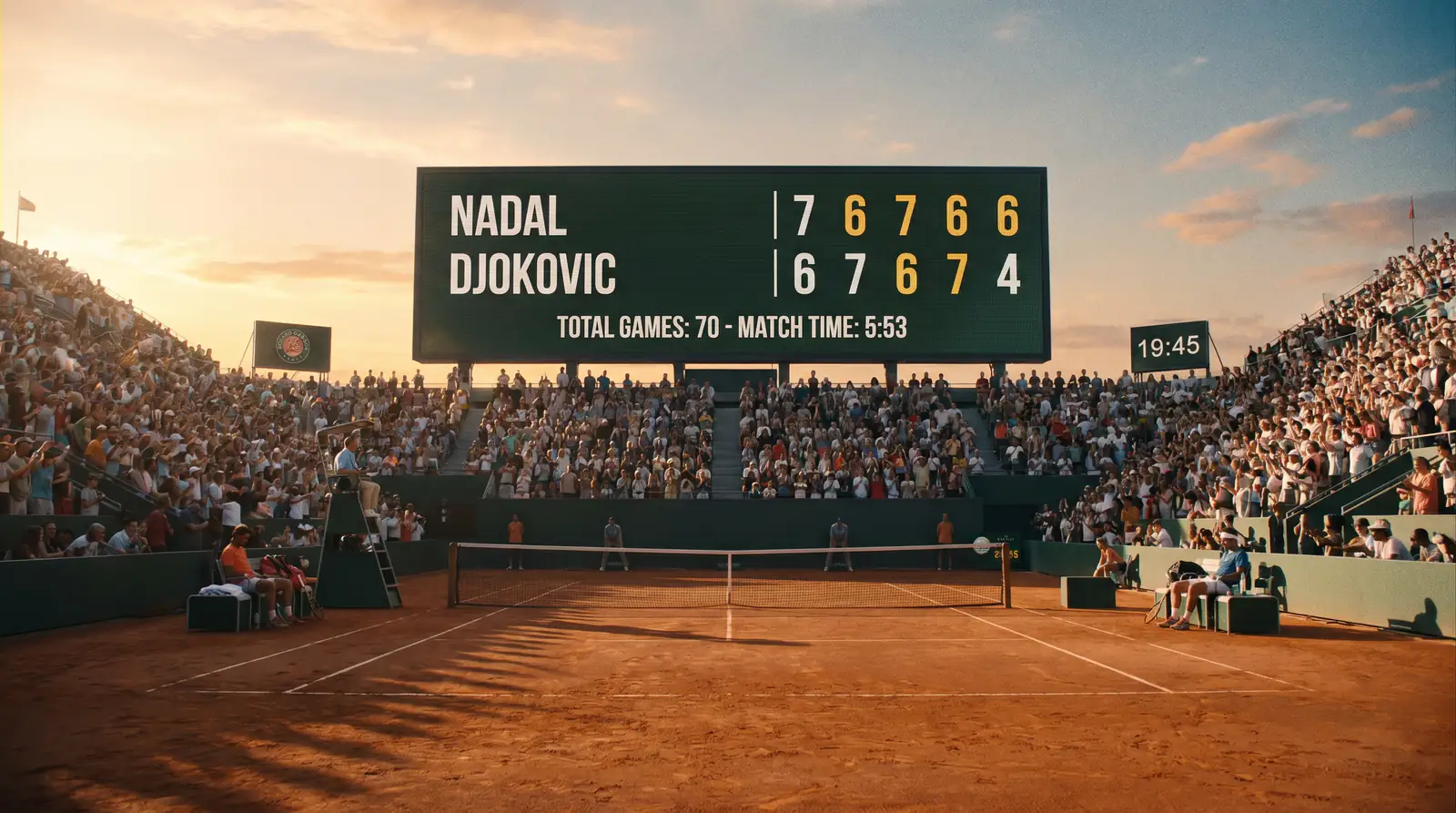
Rally length is the hidden variable that drives everything on clay. The average rally on clay is 30-40% longer than on grass. Longer rallies mean longer games, longer sets, and more physical attrition. This directly affects totals markets: the average game count per match on clay is higher than on any other surface, and over/under lines need to reflect that. If a totals line on clay looks similar to a hard-court line for the same players, something is mispriced.
Clay Specialists vs All-Court Players: How to Read the Odds
Random-forest models have identified serve strength as the primary predictor of tennis match outcomes, achieving accuracy above 80%. On clay, that predictive power diminishes because the surface neutralises the serve advantage. The player who dominates on serve at the US Open may find that weapon blunted on the terre battue of Roland-Garros, which is why clay specialists — players whose games are built around defence, endurance, and constructing points from the baseline — thrive on this surface despite lower overall rankings.
Reading the odds for clay specialists requires separating their surface-specific record from their aggregate performance. A player ranked 35th with a 70% win rate on clay is effectively a top-15 player on that surface. If she is priced off her 35th ranking against a top-20 opponent whose clay-court record is mediocre, the odds on the specialist may represent genuine value.
I build a simple surface filter for every clay-court tournament: for each match, I pull the last 12-15 clay-court results for both players and calculate their surface-specific win rate, break-conversion rate, and average games per set. These numbers often diverge sharply from the overall career statistics that bookmaker models weight more heavily. The divergence is the edge.

The trap with clay specialists is overpaying in later rounds. By the time a specialist reaches the quarter-finals of a major clay event, the market has priced in their surface advantage. The early-round value has gone, and you are now paying a premium for a player the market has caught up with. My rule: use head-to-head records filtered by surface to identify clay-specialist value in rounds one through four, and look elsewhere from the quarter-finals onward.
Clay-Specific Edges in Totals and Handicap Markets
The two markets where clay-court data translates most directly into betting edge are totals (over/under games) and game handicaps.
Totals on clay should be higher than on any other surface for the same matchup. If a player’s hard-court matches average 22 total games and her clay-court matches average 25, the totals line should reflect that difference. When it does not — when the line is set based on aggregate data rather than surface-specific data — the over is usually the right side.
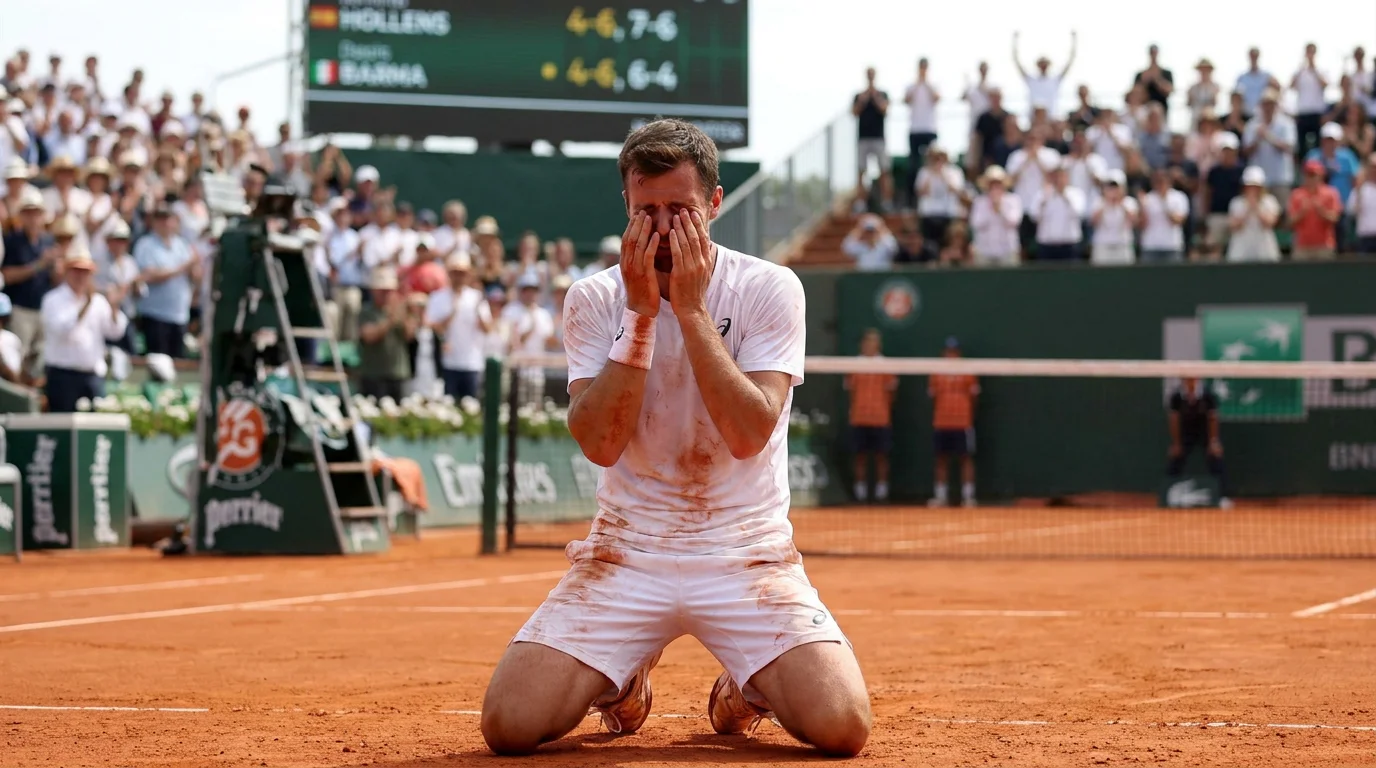
The exception is when one player is massively dominant on clay. If a top seed meets a qualifier in the first round of Roland-Garros, the match might finish 6-1, 6-2 — just 15 total games. The totals line will be set around 19.5 or 20.5, which looks like it accounts for a dominant performance. But clay-court dominance can be even more extreme than the market prices, because the specialist’s ability to extend rallies and break serve means the weaker player’s service games collapse entirely. In first-round mismatches on clay, the under can carry genuine value.
Game handicaps on clay are more volatile than on other surfaces because the margin of victory is harder to predict. A player who wins 6-4, 7-5 on hard court might win 6-2, 6-4 on clay against the same opponent, because the clay specialist’s game translates more aggressively on her preferred surface. Alternatively, she might win 7-6, 4-6, 6-3 because the opponent raises their level on clay’s longer rallies. That range of possible outcomes makes clay handicaps wider and, correspondingly, more interesting for bettors who have a genuine view on the match dynamic.
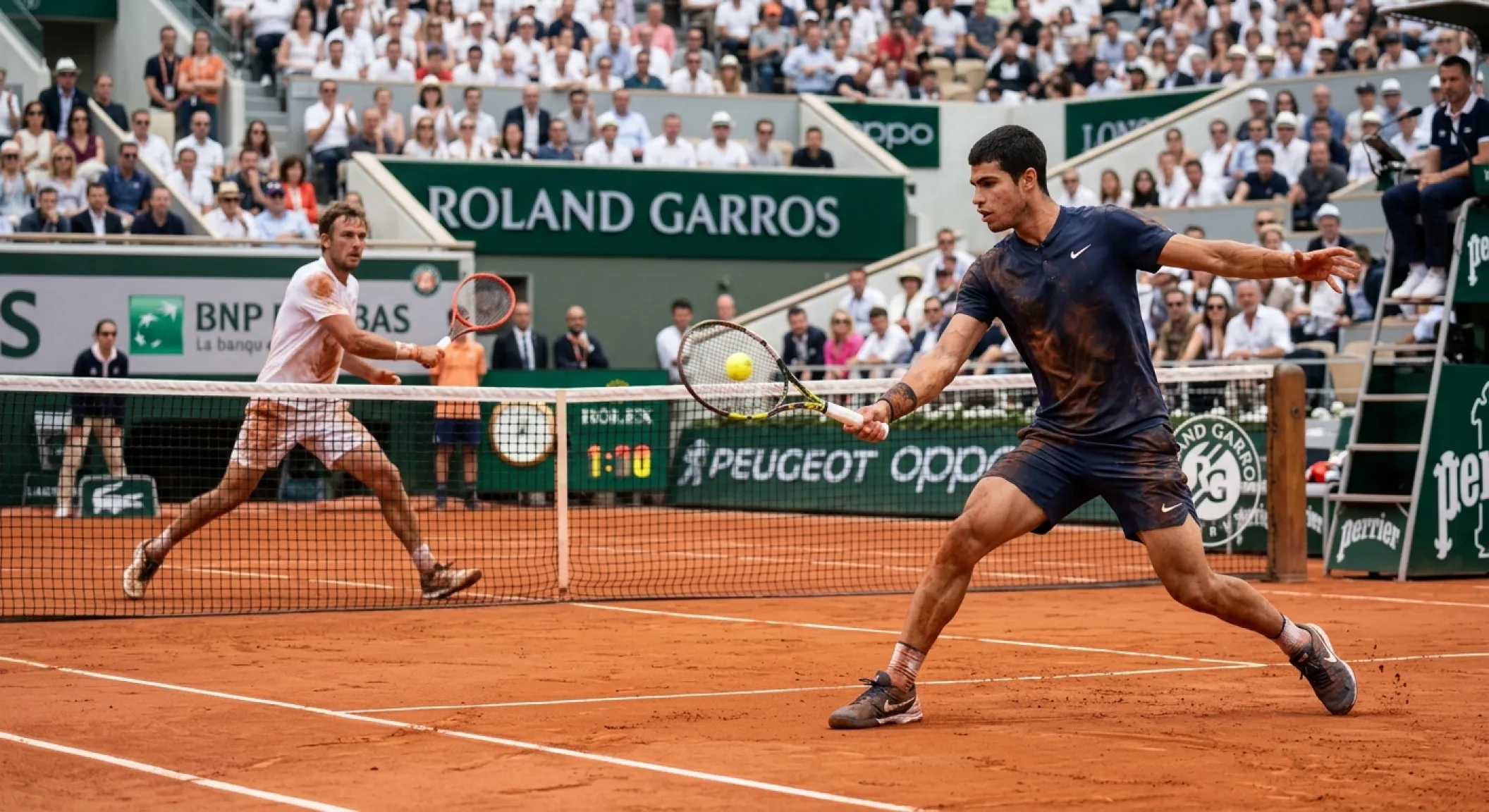
The bottom line: clay is the surface where generic models fail and surface-specific analysis pays off most clearly. If you are going to specialise in one surface for betting purposes, clay offers the largest systematic mispricings and the deepest pool of data to exploit them. The 62.4% first-serve efficiency figure is not just a statistic — it is the foundation of an entire analytical approach.
Articles
Prepared by the bettennisonline.com editorial staff.
