
How to Bet on Tennis: A Step-by-Step Guide for UK Beginners
 Available in US
html
I still remember my first tennis bet — a fiver on Andy Murray to win the second set at Queen’s Club, placed from a pub garden while half-watching on someone else’s phone. I got the mechanics wrong, picked a market I barely understood, and the bet voided because Murray retired with a hip issue after that set. It was a masterclass in everything not to do. Eleven years later, I can trace most of the beginner mistakes I see back to exactly the same gaps I had that afternoon: not reading the rules, not understanding the slip, and treating the bet like a lottery ticket rather than a decision.
This guide walks you through the entire process of placing a tennis bet in the UK, from creating a verified account to reading the numbers on your bet slip. If 10% of the UK adult population actively bets on sport online, and 76% of 18-to-24-year-olds do it from their phones, the infrastructure is clearly built for ease of access. The bit that nobody hands you is the operating manual.
Contents
Opening an Account and Placing Your First Tennis Bet
A friend once told me the hardest part of betting is the KYC verification. He was joking, but he had a point — the process has more steps than people expect, and skipping any of them means your withdrawal gets held up later.
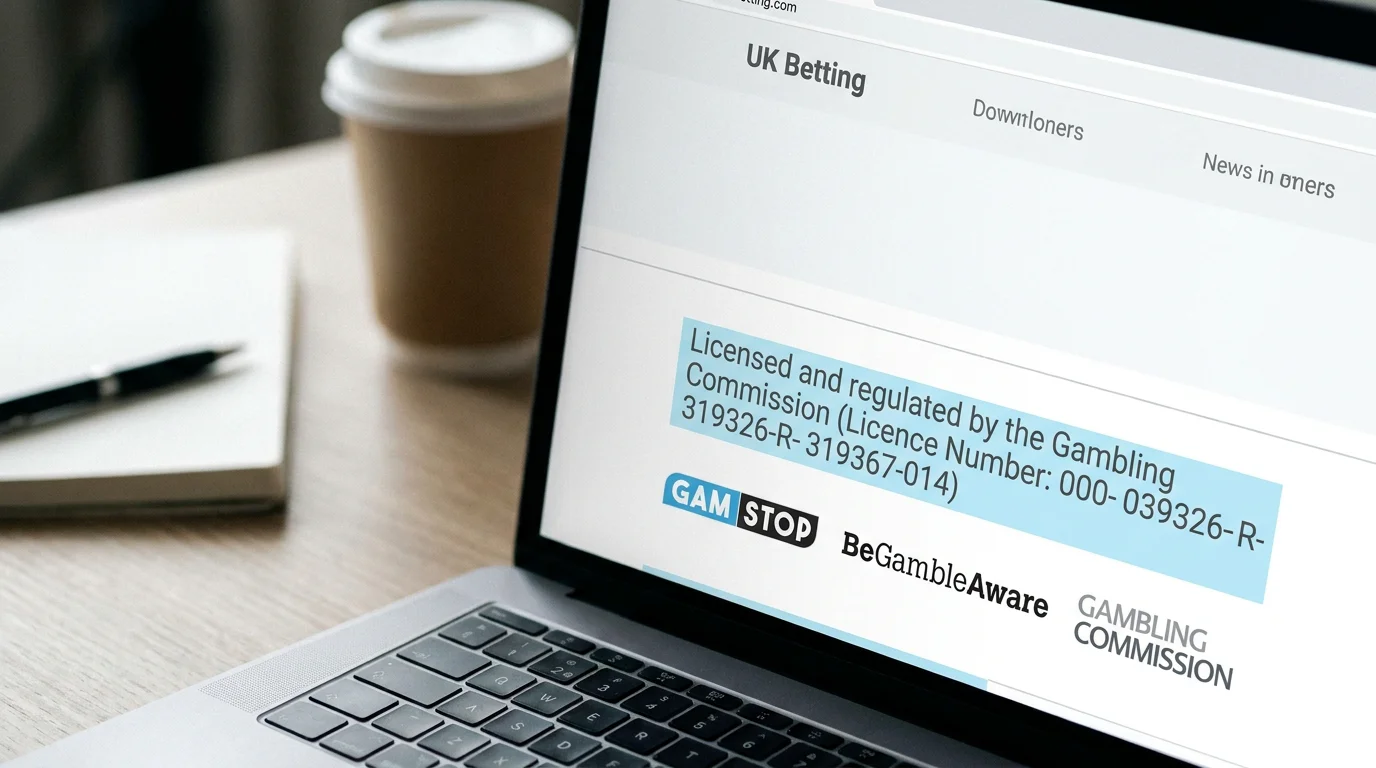
Every legal sportsbook operating in the UK holds a licence from the UK Gambling Commission. That licence number should be visible in the site footer; if it is not there, close the tab. With 47% of UK adults having gambled in some form within the previous four weeks as of early 2026, the regulated market is enormous and there is no reason to step outside it.
The account setup itself follows a standard pattern. You provide your name, date of birth, address, and email. The operator runs a soft identity check — sometimes instant, sometimes requiring a photo of your driving licence or passport. Once verified, you deposit funds. Most platforms accept debit cards, bank transfers, and e-wallets. Credit card gambling has been banned in the UK since April 2020, so do not expect that option.
With funds in your account, navigate to the tennis section. Matches are listed by tournament and date. Tap a match, and you will see the available markets — match winner is the simplest starting point. Tap the odds next to a player’s name and it appears on your bet slip. Enter your stake, review the potential return displayed on the slip, and confirm. That sequence — select market, check odds, set stake, confirm — is the entire mechanical process. Where it gets interesting is understanding what those numbers actually mean.
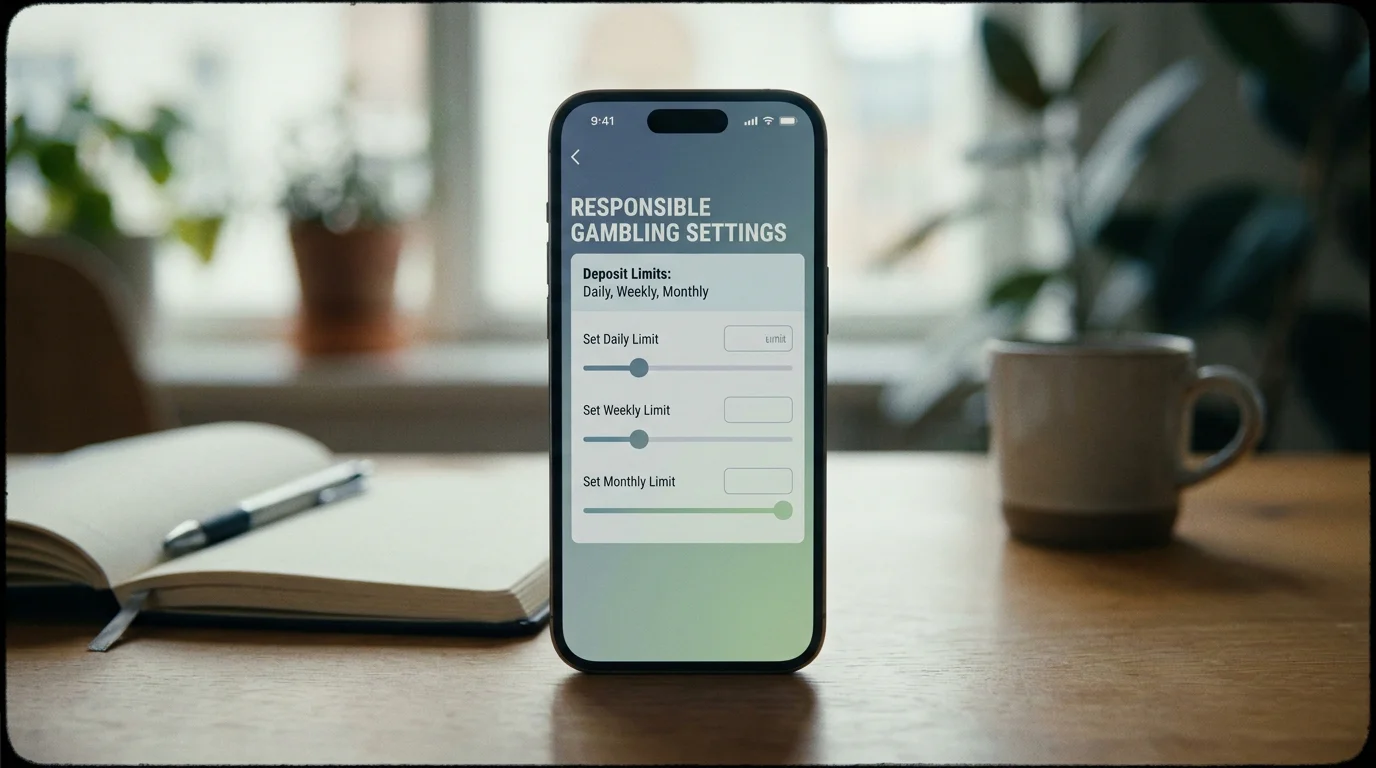
One practical note: set a deposit limit before you place your first bet. Every UKGC-licensed platform offers this in the responsible gambling settings. Doing it at the start, before any emotional attachment to an outcome, is the single most useful habit you can build.
Reading the Bet Slip: Stake, Odds and Potential Return
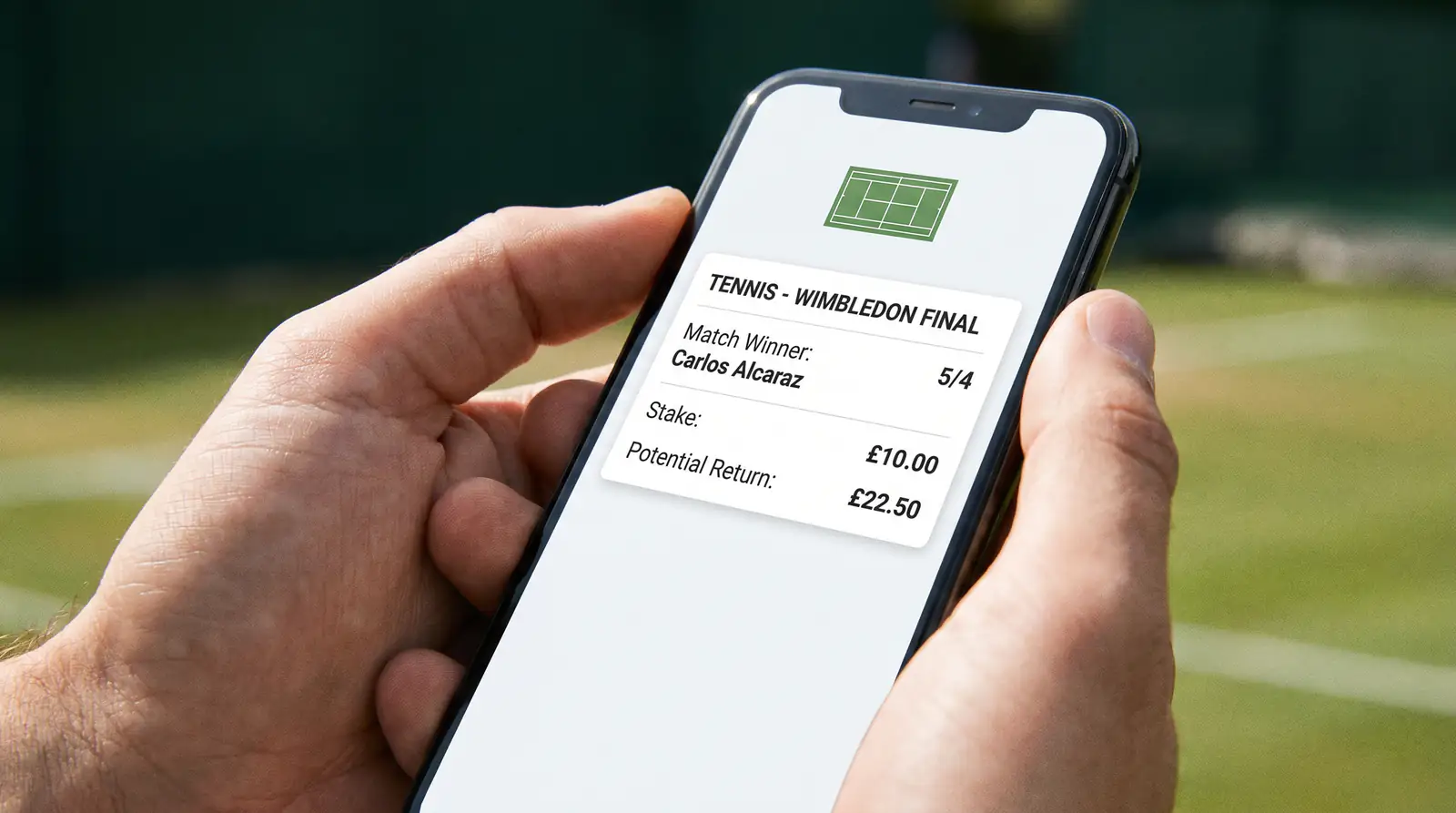
The bet slip is a three-line contract. It tells you what you are betting on, at what price, and what you stand to collect if the bet wins. Most beginners glance at the potential return figure and ignore everything else — which is exactly how misunderstandings happen.
The odds format in the UK defaults to fractional: 5/2, 11/8, 1/4. That first number is your profit relative to the second number as your stake. At 5/2, a £10 stake returns £25 profit plus your £10 back — £35 total. Decimal odds, popular across Europe and increasingly offered as an option on UK sites, express the total return per unit staked. The same 5/2 in decimal is 3.50: stake £10, receive £35 total. The maths is identical; only the notation changes.
Your bet slip will also show the market you have selected. “Match Winner” is self-explanatory, but “Set Handicap -1.5” or “Total Games Over 22.5” are not — and tapping them by mistake is a real beginner error. Before confirming, read the market name aloud to yourself and make sure you can explain in one sentence what needs to happen for this bet to win. If you cannot, you are not ready to place it. There is a full breakdown of every tennis betting market and how each one settles if you want to build that understanding systematically.
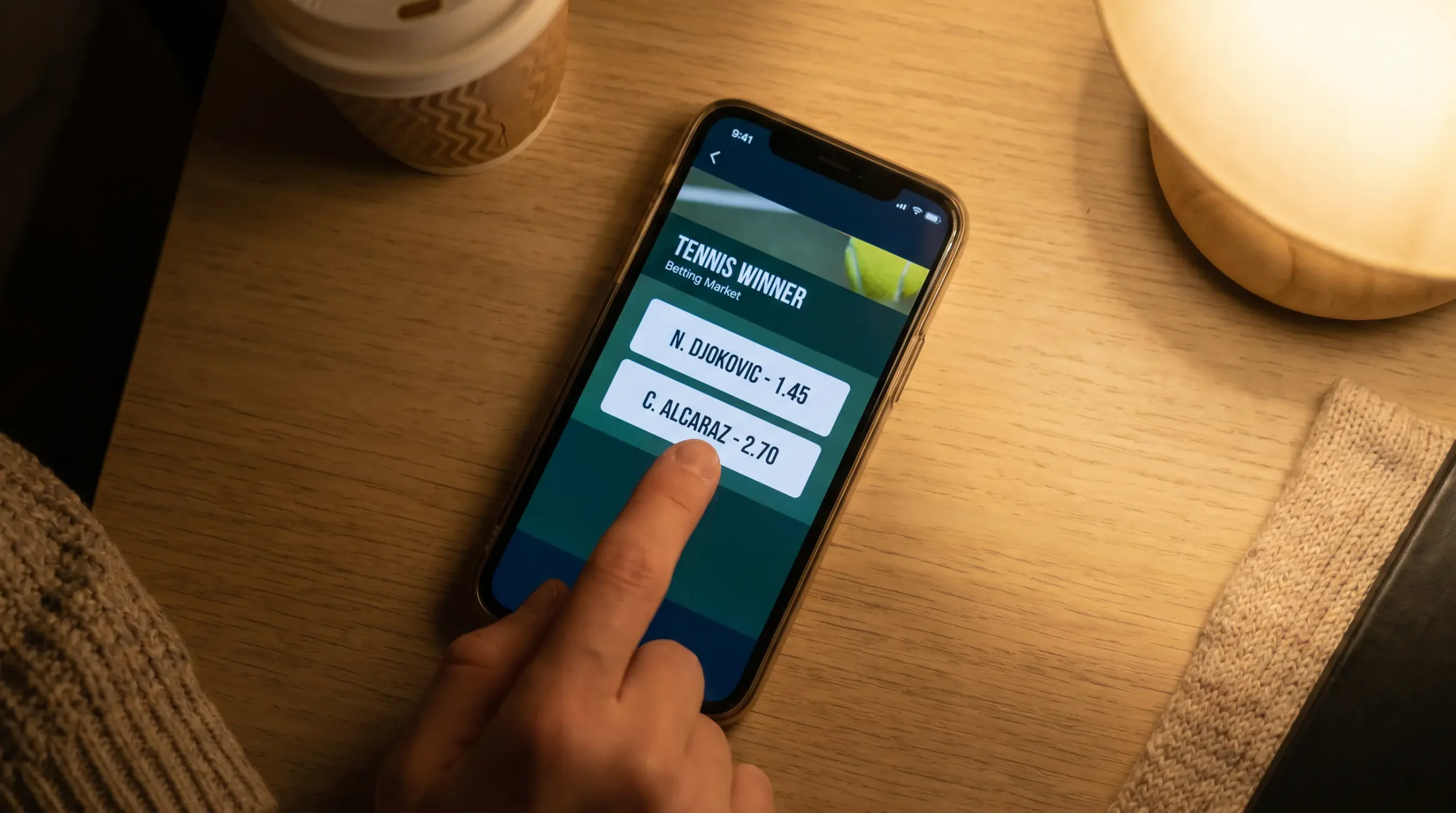
The potential return figure on the slip is always calculated before any deductions. In most cases, there are none — but if you are using a free bet token, the stake portion may not be returned. Check whether your free bet is “stake returned” or “stake not returned” before relying on that number.
Five Mistakes First-Time Tennis Bettors Make
After eleven years of watching people start betting on tennis, the same five errors appear with depressing regularity. I made three of them myself.

The first is ignoring the retirement rule. Tennis is one of the only major sports where a player can abandon the match midway through due to injury. Every bookmaker has its own policy on what happens to your bet when this occurs, and the policies differ in ways that matter. Some void the bet entirely; others settle it as a loss for the retiring player. If you bet on set markets or total games and the match does not finish, the outcome depends on which operator you used and which market you chose. Read the tennis rules section of your bookmaker’s terms before placing any bet — not after a retirement catches you out.
The second mistake is chasing odds without context. A player priced at 8/1 looks appealing until you realise she is returning from a three-month injury layoff on a surface she historically struggles on. The odds are long for a reason. Always ask why the price is what it is before deciding it represents value.
Third: staking too much on accumulators. Combining four “safe” match winners into an acca feels clever because the combined odds look generous. The problem is that tennis upsets happen regularly — roughly 15% more often on clay than on grass, for instance — and one upset kills the entire accumulator. Singles bets build discipline; accumulators build excitement and, usually, losses.
Fourth is betting on players you have heard of rather than players you have analysed. Name recognition is a bias, not a strategy. The 80th-ranked player on a Challenger tour hard court may be a stronger pick than a top-20 name playing out of position on clay after a long-haul flight.
Fifth — and Khalid Ali, CEO of the International Betting Integrity Association, put this in perspective — higher alert volumes in mature markets often indicate stronger detection capability rather than higher inherent risk. What that means for you as a beginner: stick to well-monitored, mainstream tournaments. The top-tier events have the deepest data, the most liquid markets, and the strongest integrity oversight. Lower-tier events might look like opportunities, but they carry risks a beginner is not equipped to assess.
Every one of these mistakes is avoidable with fifteen minutes of preparation before you tap “Place Bet”. The bet itself takes five seconds. The thinking should take longer.
Articles
Written by the editors at bettennisonline.com.
