
ATP Betting: How the Men’s Tour Structure Shapes Betting Markets
 Available in US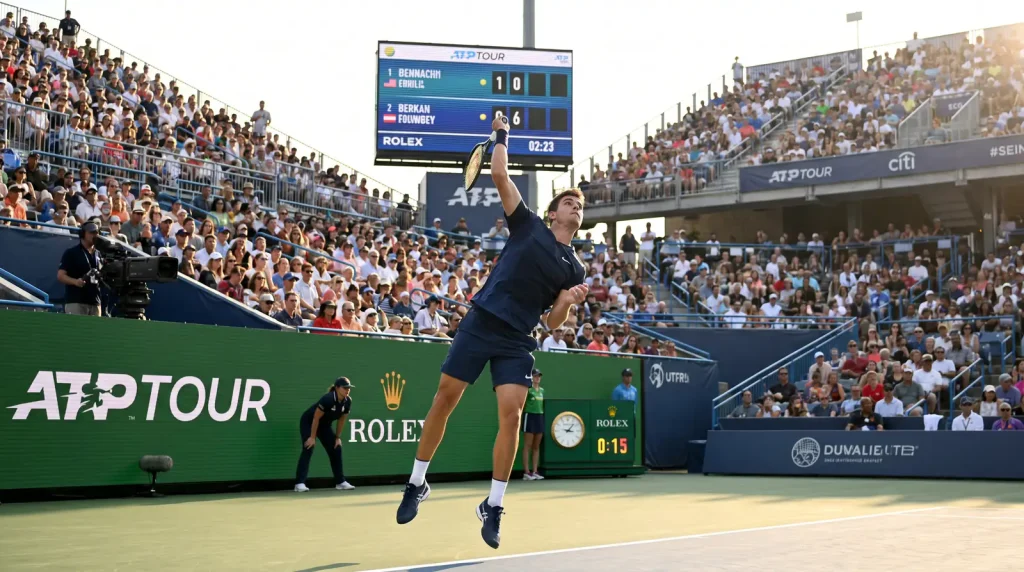
html
Sixty percent of tennis bets placed on Entain’s platforms go on men’s events. That number alone tells you where the market’s attention sits, but it does not tell you why — or how to use the ATP’s tiered structure to find the matches where your analysis has the best chance of paying off. The men’s tour is not one market. It is a hierarchy of markets, each with its own liquidity, data depth, and pricing efficiency, and understanding the hierarchy is the first step toward betting it profitably.
Contents
ATP 250, 500, 1000 and Masters: Tier System and Market Range
I learned the hard way that betting on an ATP 250 event the same way you bet on a Masters 1000 is a recipe for inconsistency. At a Masters 1000, the top 30 players in the world are all in the draw, the match data is deep, the markets are liquid, and the odds reflect a well-informed consensus. At an ATP 250, half the top players skip the event, the draw is shallow, the data on many competitors is thin, and the odds are set with wider margins to compensate for the bookmaker’s uncertainty.
The tier system structures everything. ATP 250 events (the lowest tier of the main tour) offer 250 ranking points to the winner, feature smaller draws, and attract mid-ranked players. Market coverage is thinner — you might get match winner, basic handicap, and total games, but not the full menu of set betting, props, and specials available at bigger events. Betting exchanges offer even less: liquidity at ATP 250 level is often too thin for meaningful trading.

ATP 500 events sit in the middle: stronger fields, deeper markets, and better data. These are useful for bettors because they offer a combination of reasonable liquidity and less efficient pricing. The top seeds at ATP 500s are strong but face opponents capable of genuine upsets, which creates value in handicap and set-betting markets. The 60% men’s betting share reported by Entain reflects the market’s preference for events where the data is rich and the fields are competitive — ATP 500s and above fit that profile well.
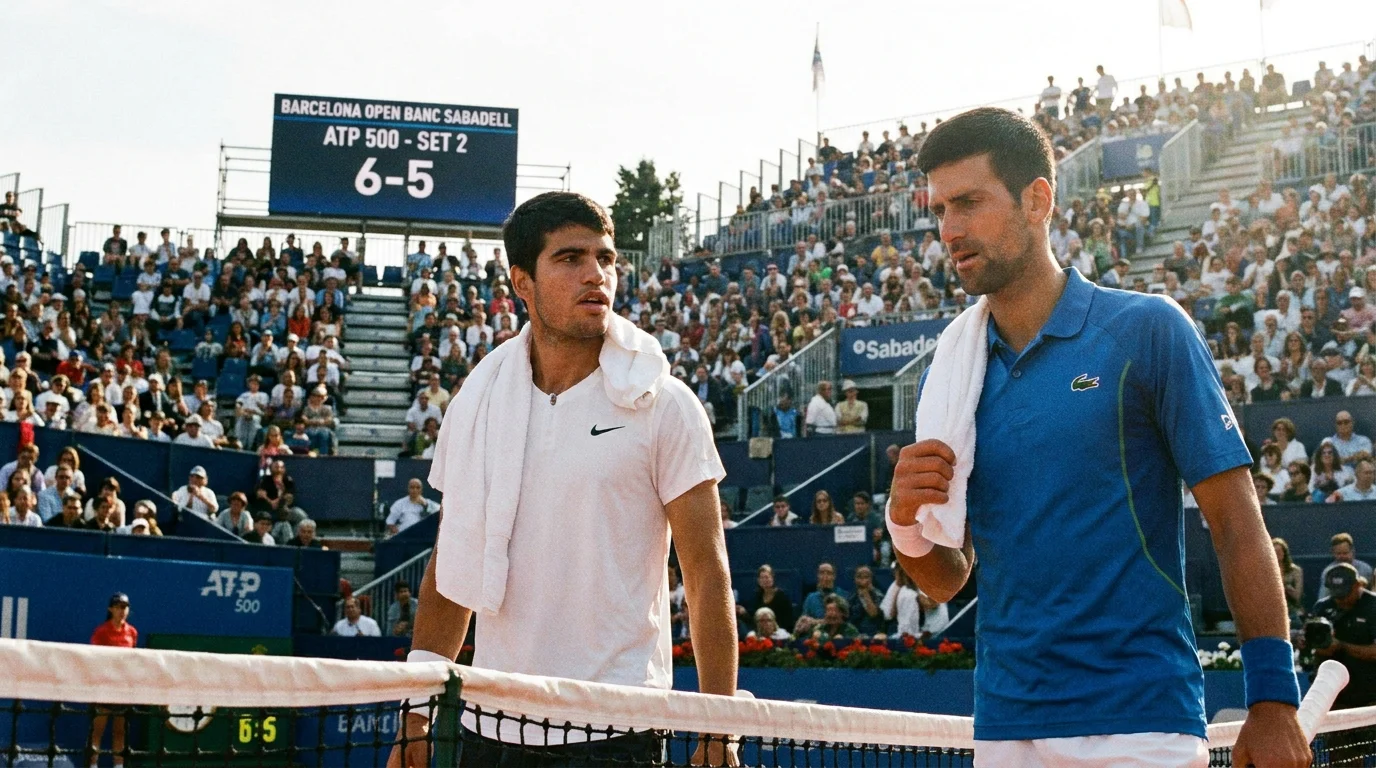
Masters 1000 events (nine tournaments per year, mandatory attendance for top players) are the core of the ATP betting market outside Grand Slams. The fields are the deepest, the markets the most liquid, and the odds the tightest. Finding value at Masters level requires genuine analytical depth — surface-specific data, head-to-head records filtered by conditions, and an understanding of where players are in their physical and tournament-phase cycles.
Best-of-Five vs Best-of-Three: Impact on Match Outcomes and Betting
Tennis is the fifth most popular sport across Entain’s global brands, and the format split — best-of-three at most tournaments, best-of-five at Grand Slams — creates two fundamentally different betting environments within the same sport.
In best-of-three, a single bad set can cost the favourite the match. The variance is higher, upsets are more frequent, and the favourite’s win rate is lower than in best-of-five. This is measurable: across equivalent ranking differentials, the favourite wins best-of-three matches less often than best-of-five. The implication for bettors is that match-winner prices at ATP 250-1000 events (best-of-three) should be longer than Grand Slam prices (best-of-five) for the same matchup — and they are. The question is whether the adjustment is correct or whether it overshoots.

My experience is that the market slightly overcompensates for best-of-three variance in the lower tiers. At ATP 250 events, the favourite is priced as if the upset probability is marginally higher than it actually is, which creates a small, consistent edge on favourites in specific conditions — particularly on hard courts, where the surface is neutral and the better player’s skill advantage reasserts itself most reliably over two sets.
In best-of-five at Grand Slams, the reverse is sometimes true. The market assumes the favourite will win at a rate that is slightly too high because it overweights the “extra sets for the favourite to recover” narrative. Five-set comebacks from two sets down are dramatic but statistically rare, and the energy cost of falling behind makes the favourite more vulnerable in later rounds than the headline odds suggest. Handicap markets at Grand Slams often capture this dynamic better than match-winner markets.
Key Calendar Windows for ATP Betting
The ATP calendar has rhythms that create predictable windows of opportunity
 , and learning to recognise them is more useful than any single-match analytical tool.
January through March is the hard-court swing through the Australian Open and the Sunshine Double (Indian Wells and Miami). Form is volatile, prices are wide, and the data from the previous season is becoming stale. This is the window for cautious betting with smaller stakes and a focus on players with known Melbourne or early-season form.
April through June is the clay-court season, peaking at Roland-Garros. The specialist factor becomes dominant — surface-specific analysis matters more than ranking. This is the window for over/under and handicap betting, because clay matches produce the widest range of game counts and the most breaks of serve.
The grass-court season occupies just three weeks in June-July, culminating at Wimbledon. The sample size is tiny — most players have played only one or two grass events before Wimbledon — which makes the data unusually unreliable. This is the window where I bet less, not more, because the information edge I rely on during the rest of the year is weakest.
July through September is the North American hard-court swing ending at the US Open. Player form is at its most established, the data is richest, and the markets are deepest. This is the peak betting window: the period where analytical models have the most input data and the odds are most likely to be beatable.
The tail end of the season — October through November, including the indoor hard-court events and the ATP Finals — is where fatigue becomes the dominant variable. Top players are managing their bodies toward the finish line, and motivation is uneven: some are fighting for year-end ranking positions, others are coasting after a long season. Reading motivation and fatigue at this stage is an art more than a science, and the WTA tour presents a similar late-season dynamic with its own nuances.

Articles
Created by the "bettennisonline.com" editorial team.
