
Tennis Futures Betting: Long-Term Wagers on Season Rankings and Milestones
 Available in US
html
In January 2022, I placed a futures bet on a player to finish the season ranked inside the ATP top five. At the time, he was ranked 12th and priced at 7/1. By June he had won two Masters events and the odds had collapsed to evens. The bet eventually won, but my capital was locked up for eleven months. That is futures betting in a single anecdote: potentially lucrative, analytically demanding, and brutally illiquid.
Tennis is the fastest-growing segment in online sports betting, with a projected compound annual growth rate of 13.83% through 2031. Part of that growth comes from the expansion of futures markets — bookmakers offering more long-term propositions as the sport’s data infrastructure improves and the modelling becomes more sophisticated. What was once a niche product limited to “who wins Wimbledon” now covers year-end rankings, Grand Slam counts, head-to-head season records, and milestone victories.
Contents
Futures vs Outrights: Where the Line Falls
The distinction trips people up, so let me draw it clearly. An outright bet covers a single tournament: you pick the winner of the Australian Open, Wimbledon, or any other event. A futures bet covers a period longer than one tournament — typically a full season or a significant chunk of it. “Player X to win two or more Grand Slams in 2026” is a futures bet. “Player X to win the French Open” is an outright. The analytical demands are different because futures require you to assess consistency and durability over months, not just form over a single fortnight.

The Wimbledon prize fund hit a record £53.55 million in 2026, and each Grand Slam carries its own weight in the futures calculus. A futures bet on “most Grand Slams won in 2026” requires you to weigh a player’s surface versatility, injury history, scheduling patterns, and peak-performance windows across four different tournaments on three different surfaces. It is closer to portfolio analysis than to match prediction.
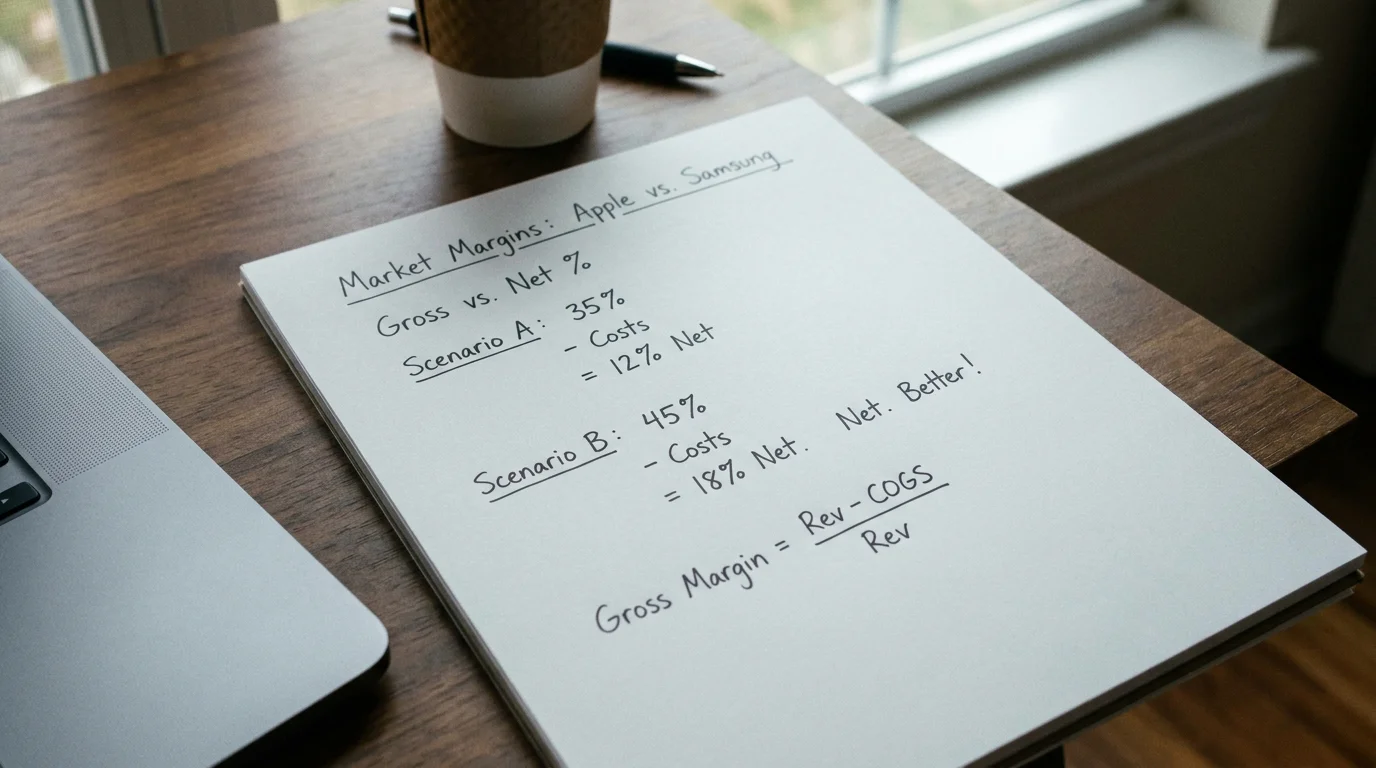
Pricing on futures is wider than on outrights because the bookmaker faces more uncertainty and a longer period of capital exposure. The overround on a “year-end number one” market can exceed 150%, compared to 110-120% on a typical Grand Slam outright. That extra margin is the bookmaker’s charge for accepting long-duration risk, and it means the bar for finding value in futures is higher than in any other tennis market.
Popular Tennis Futures Markets: Year-End No. 1, Grand Slam Count, Milestone Wins
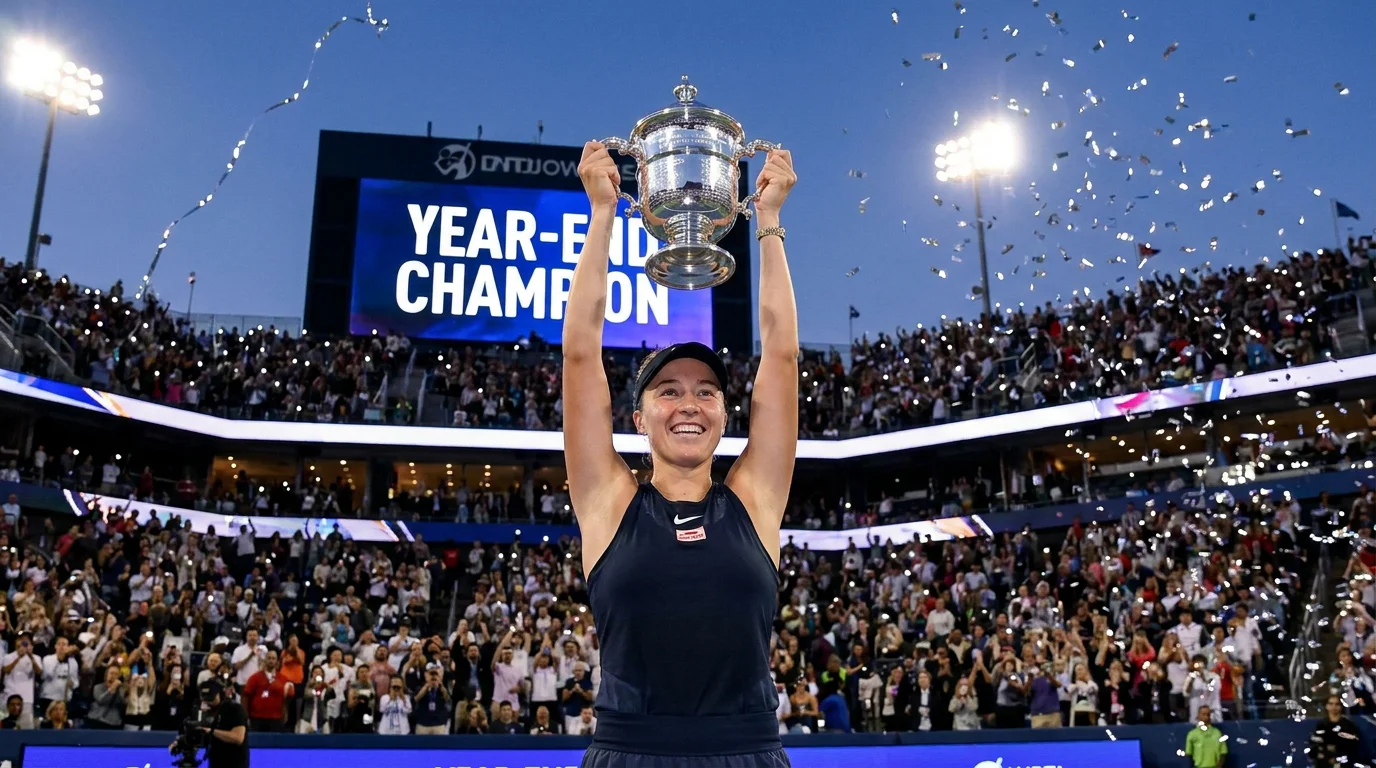
Year-end number one is the flagship futures market. It opens in January, prices shift after every tournament, and it settles after the ATP or WTA Finals in November. The appeal is that it rewards the most complete player across the entire calendar, not just the hottest form at one event. The analytical framework overlaps with outright betting but adds a scheduling dimension: which player has the best combination of surface strengths, fitness, and points to defend?
Grand Slam count markets ask how many Slams a player will win in a given season. Odds of 5/1 on “two or more Grand Slams” might look generous for a dominant player, but history shows that winning multiple Slams in a single year is extraordinarily rare. Even the greatest players in the sport manage it only a handful of times in their careers. The market knows this, and the prices reflect it — but recreational bettors often overestimate how likely a dominant-looking player is to sustain that dominance across four different surfaces and four different fortnights spread across eight months.
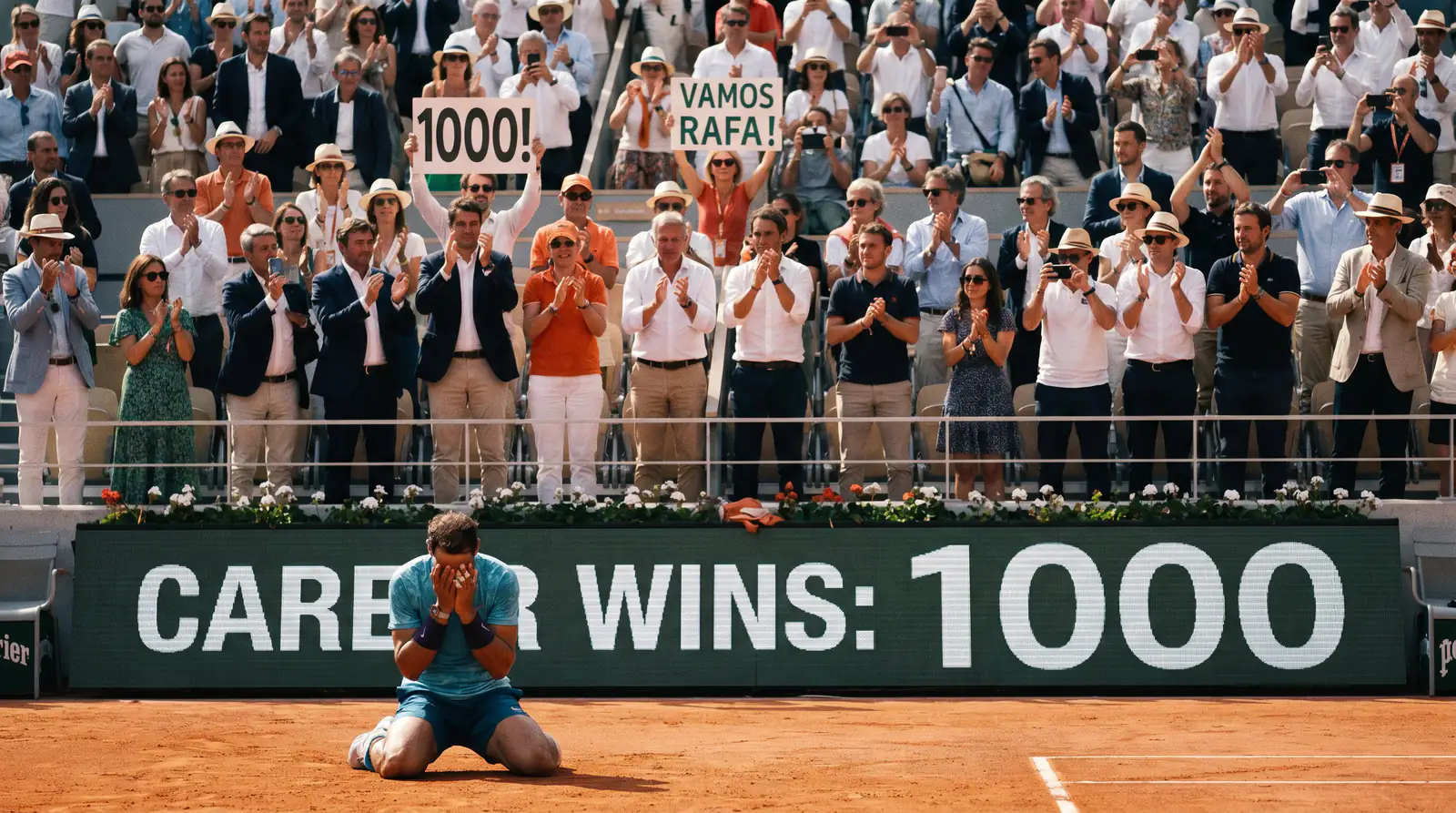
Milestone markets are newer and more speculative: “Player X to reach 100 career wins on clay”, “Player Y to win their first title on grass”, “Player Z to reach a career-high ranking by December”. These markets are thinly traded, which means the odds can be inefficient in both directions. I have found occasional value in milestone markets for players on the cusp of a breakthrough — someone who has reached three finals without winning, for example, and whose milestone market is priced as if the drought will continue when the underlying data suggests it is about to end.
For all futures markets, the connection to Grand Slam betting analysis is direct: the four majors are the highest-weighted events in any season-long futures calculation, and your assessment of a player’s Slam prospects effectively anchors the entire futures position.
Tying Up Capital: The Hidden Cost of Futures Bets
The elephant in the room with futures betting is opportunity cost. When you place a £100 futures bet in January, that £100 is unavailable for match-by-match betting until the futures market settles in November. Over eleven months, a competent bettor placing individual match bets can expect to turn that capital over dozens of times. A futures bet turns it over once.
I think of futures bets as long positions in a financial sense. You are buying exposure to an outcome at today’s price and hoping the price shortens over time. The difference from a financial position is that you cannot sell it on most platforms — you are locked in until settlement. Some bookmakers now offer cash-out on futures markets, but the cash-out value is typically poor because the bookmaker applies a wide margin to the exit price.
The capital management rule I follow: never commit more than 5% of my total bankroll to futures positions, and never more than 2% to any single futures bet. This keeps futures as a satellite activity around my core match-by-match betting, which is where the capital efficiency is highest.

There is a psychological cost too. A futures bet creates an emotional attachment to a player’s results across an entire season. When your futures pick loses in the second round of a Masters event, it hurts twice — the futures position is damaged, and you feel it every time they play for the rest of the year. That emotional drag can bias your other betting decisions. Recognising it does not eliminate it, but it does help manage it.
Futures betting is not for everyone. It suits bettors with large bankrolls, long time horizons, and the discipline to let a position run for months without interference. For those who fit that profile, it offers a form of tennis betting that is analytically deeper and less reactive than any other market. For everyone else, the capital is better deployed on individual matches where the feedback loop is immediate and the edge is more measurable.
Articles
Prepared by the bettennisonline.com editorial staff.
