
Grass Court Tennis Betting: How Low Bounces and Fast Points Change Markets
 Available in US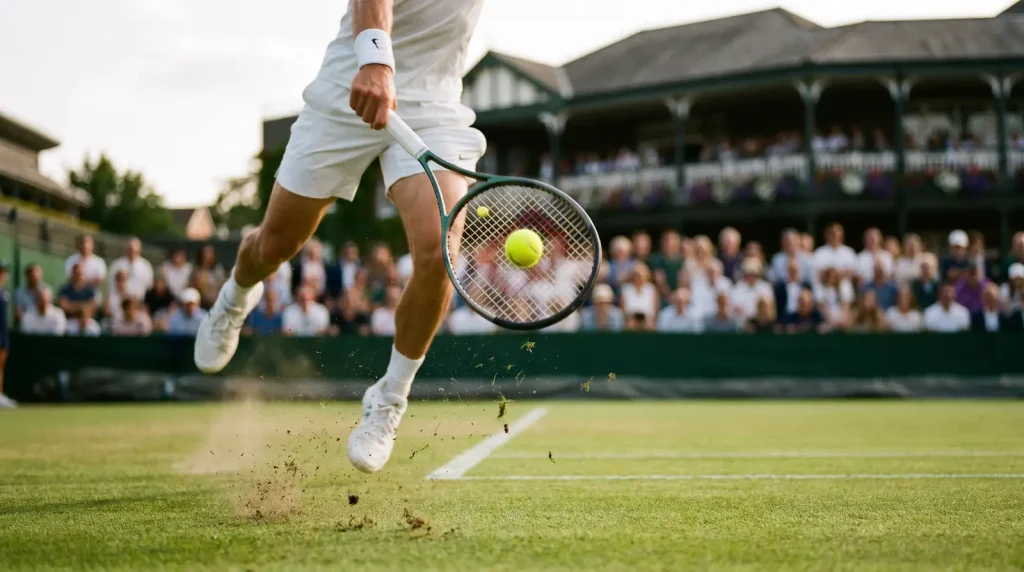
html
Grass is the surface where I bet the least and think the most. The season is absurdly short – three weeks of meaningful action between Roland-Garros and the Wimbledon final – and the sample size of recent grass-court data for most players is too thin to build a reliable model. That combination of limited data and unique surface dynamics makes grass the most dangerous surface for lazy betting and the most rewarding for bettors willing to dig into what little information exists.
Everything about grass-court tennis is faster. The ball stays low after the bounce, points are shorter, serves are more dominant, and matches end more quickly. These are not stylistic observations – they are structural characteristics that change how odds should be priced and where value hides.
Contents
Statistical Profile of Grass-Court Tennis
First-serve efficiency on grass sits at 64.2%, nestled between clay’s 62.4% and hard court’s 67.5%. That middle position is misleading. Grass amplifies serve advantage in ways the aggregate number does not fully capture. The low bounce means returners have less time to read the serve and less room to construct an aggressive return. Aces and service winners are more frequent. Tie-breaks are more common because both players hold serve more easily, and tie-break frequency has a direct impact on totals markets and set-betting odds.
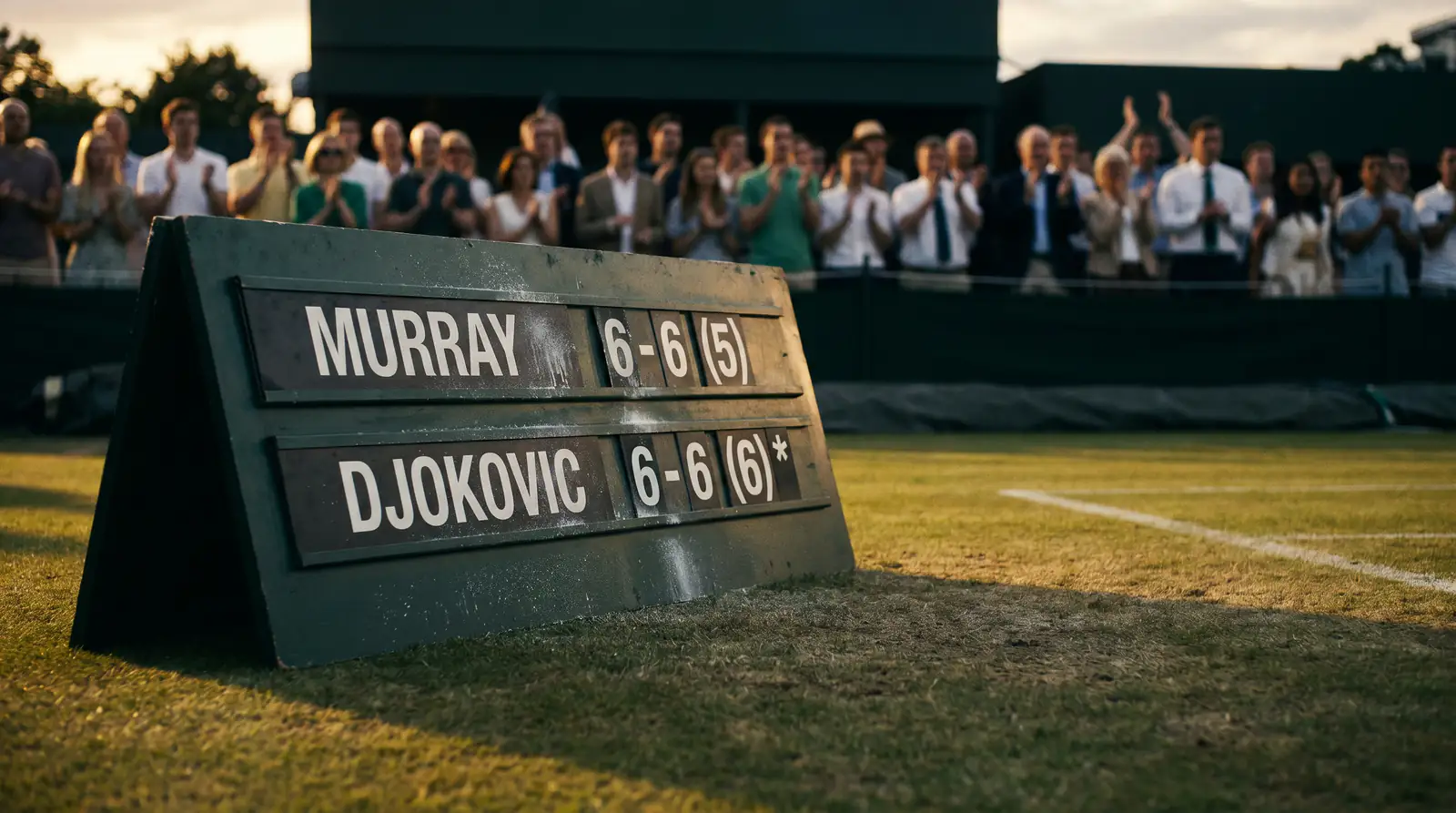
The match-outcome distribution on grass is distinctive. Straight-set results are more common for favourites because serve dominance compresses matches. A top-10 player on grass can cruise through the early rounds of Wimbledon at 6-4, 6-3, 6-2 without ever facing a serious threat on serve. That compression means match-winner odds for heavy favourites are extremely short – often 1/10 or lower – which pushes analytical bettors toward handicap and totals markets where the pricing is less one-dimensional.
Upsets on grass are roughly 15% less frequent than on clay. When they do happen, they tend to be decisive and fast. A big-serving underdog can ride a hot service day to a straight-sets win before the favourite has time to adjust. The upset profile on grass is therefore different from clay, where upsets are grinding, three-set affairs. On grass, the upset either happens quickly or it does not happen at all, which makes backing underdogs on grass a higher-risk, higher-reward proposition than on any other surface.

Serve Dominance on Grass and Its Effect on Totals
Random-forest analysis has identified serve strength as the strongest single predictor of match outcomes, with accuracy exceeding 80%. On grass, that finding is amplified. The correlation between serve metrics and match results is highest on grass because the surface removes the returner’s ability to neutralise the serve through rallying. If you serve well on grass, you win. The analytical simplicity is both an advantage – the variable set is smaller – and a limitation, because when the serve is the dominant factor, small fluctuations in service performance have outsized effects on match outcomes.
For totals betting, serve dominance on grass pushes the expected game count in a specific direction depending on the matchup. Two big servers produce high-total matches – lots of tie-breaks, lots of 7-6 and 6-4 sets, and total game counts in the mid-to-high 30s for a three-set match. A big server against a strong returner produces a more volatile outcome: the returner needs only one or two breaks to take the match, but if those breaks do not come, the match extends through tie-breaks. A matchup between two baseline players on grass – rare but not impossible – tends to produce lower totals because the surface speeds up rallies and creates more forced errors, leading to quicker service breaks in both directions.
One specific edge I have found on grass: the market underprices the first-set tie-break probability. On grass, approximately 25-30% of sets go to tie-breaks, compared to 15-20% on clay. If a bookmaker offers a “first-set tie-break: yes/no” market, the “yes” side at odds of 3/1 or better often carries positive expected value on grass, particularly in matches between two strong servers.
The Short Grass Season: Limited Data, Higher Uncertainty
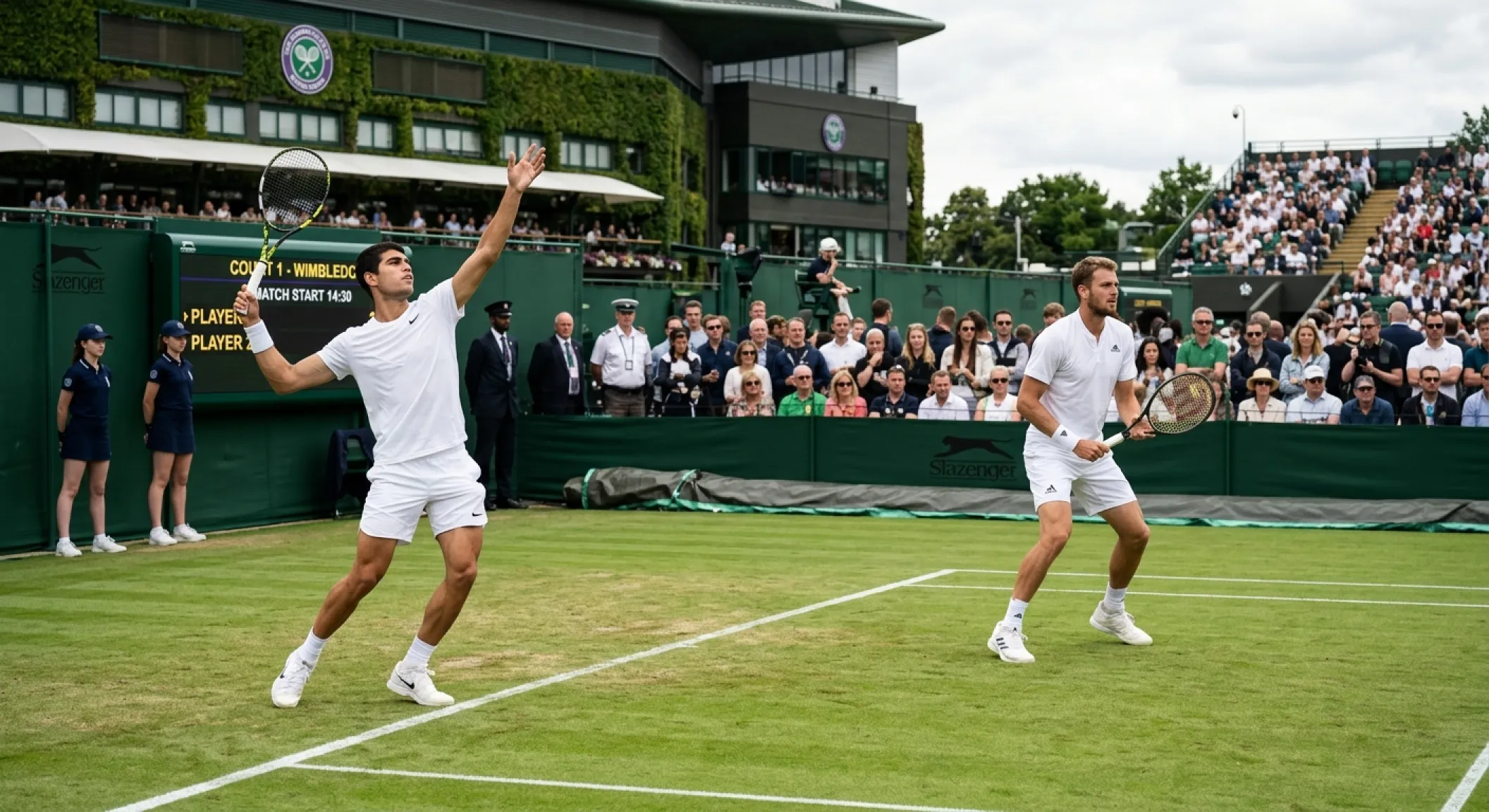
The grass-court season occupies roughly three weeks on the ATP and WTA calendars. Most players have one or two grass-court events before Wimbledon – Queen’s Club, Halle, Eastbourne, or one of the smaller WTA events. That is 3-7 matches of grass-court data per player per year, which is not enough to build a statistically robust surface-specific model.
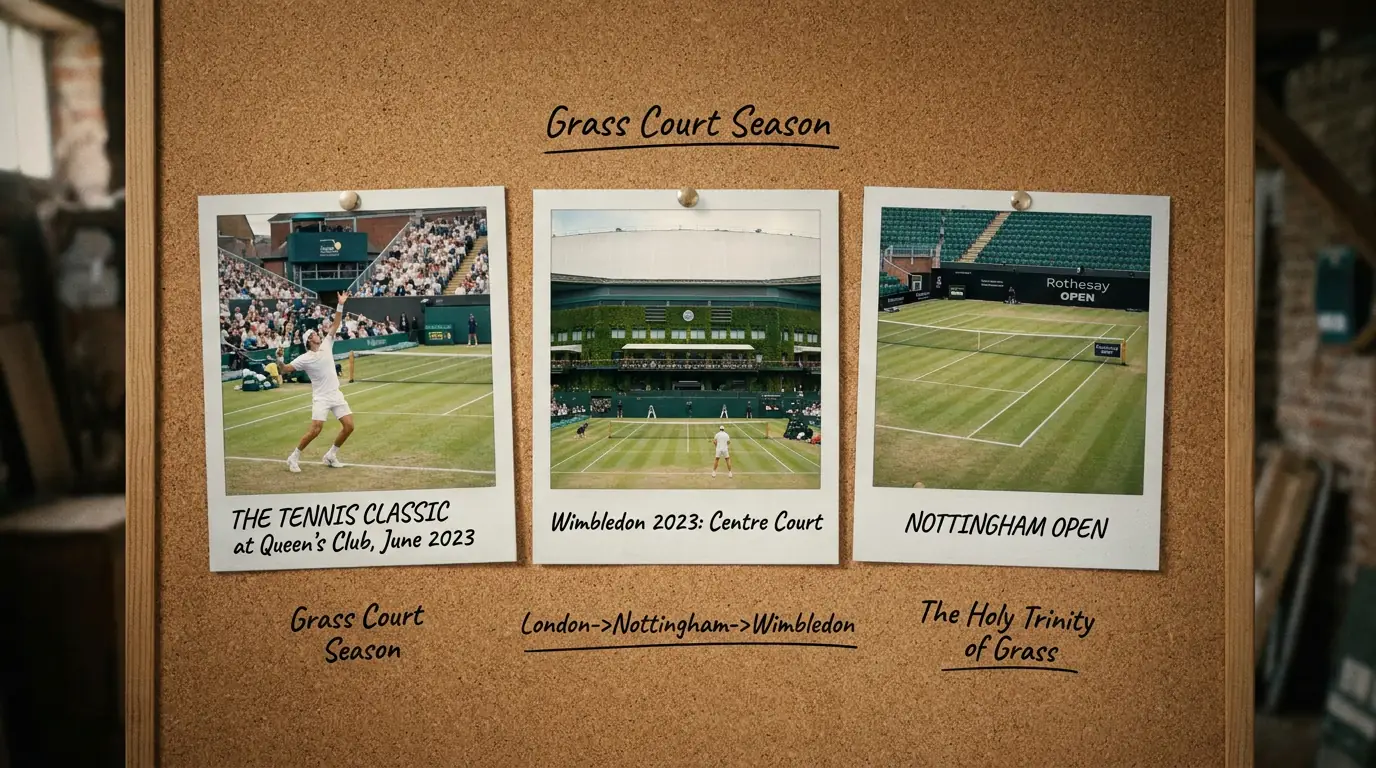
Wimbledon’s prize fund reaching a record £53.55 million in 2026 reflects the tournament’s outsized importance relative to its surface season. The commercial weight of Wimbledon drives betting volume that is disproportionate to the data available to price the odds accurately. This imbalance – high volume, low data – is where analytical bettors find edges and recreational bettors get burned.
My approach to the grass season is deliberately conservative. I reduce my stake sizes by about 30% compared to clay or hard-court periods because my confidence in my analytical edge is lower when the data is thinner. I focus on players with multi-year grass-court track records rather than those whose form is based on a single recent event. And I prioritise markets where the surface advantage is most clearly expressed – first-set totals, tie-break props, and match-winner bets on big servers – rather than secondary markets where the data limitations create more noise than signal.
The grass-to-hard-court transition after Wimbledon is another moment of analytical value. Players who reach the second week of Wimbledon arrive at the North American hard-court swing with minimal hard-court preparation, and the market often overvalues their grass-court form when pricing their first hard-court events. The Wimbledon betting dynamics that defined their value on grass do not transfer to the hard courts of Montreal or Cincinnati, and that disconnection creates post-Wimbledon mispricing that lasts about two weeks before the market catches up.

Articles
Written by the editors at bettennisonline.com.
